
Jul
Scandinavian Airlines Enters a New Era
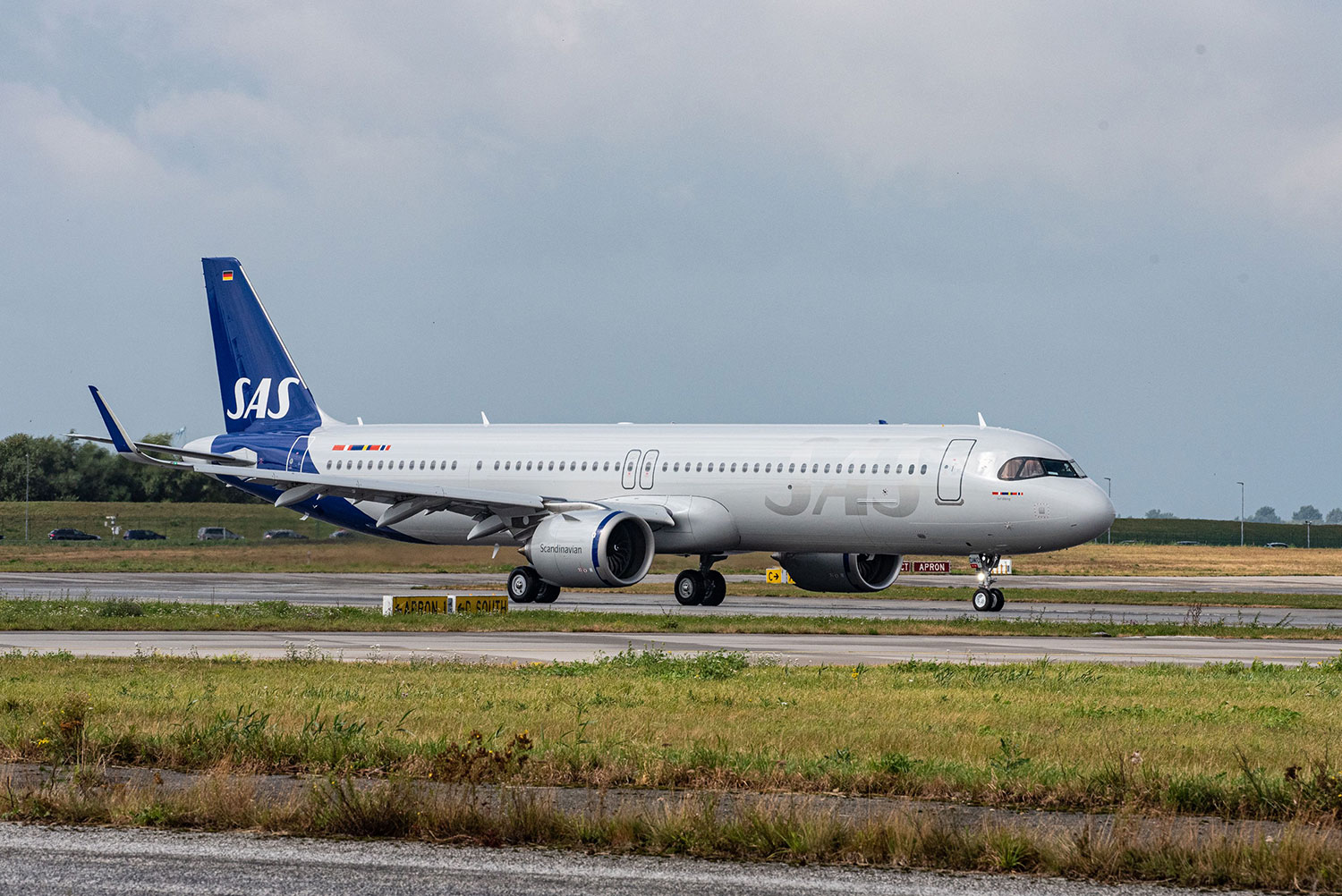
Scandinavian Airlines, widely recognized as SAS, has embarked on a transformative journey following a significant restructuring that commenced in the mid-2020s. This pivotal shift has not only allowed the airline to reestablish its footing in the competitive aviation landscape but has also culminated in its recent integration into the SkyTeam alliance. This strategic move enhances SAS’s operational synergy with major carriers such as Air France-KLM, further solidifying its position as a key player in Northern European aviation.
A Historical Overview
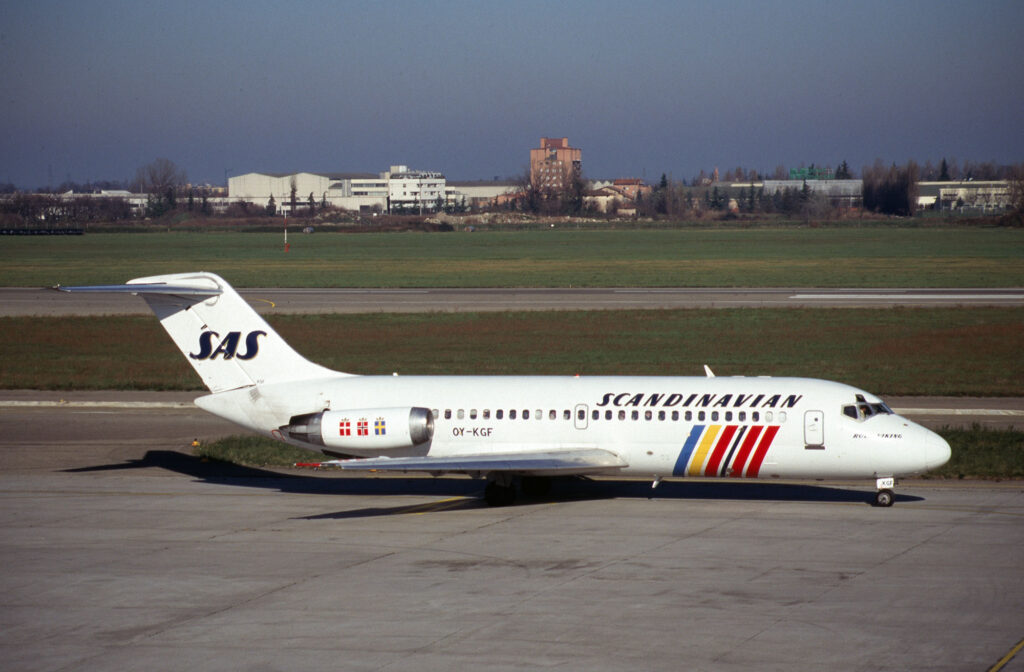
Founded on August 1, 1946, Scandinavian Airlines System was a collaborative effort between the national airlines of Denmark, Norway, and Sweden. This partnership aimed to enhance competitiveness on international routes in the post-World War II era. Over the decades, SAS has been at the forefront of innovation, notably pioneering transpolar flights that significantly reduced travel time between Europe and North America.
Modern Fleet and Operations
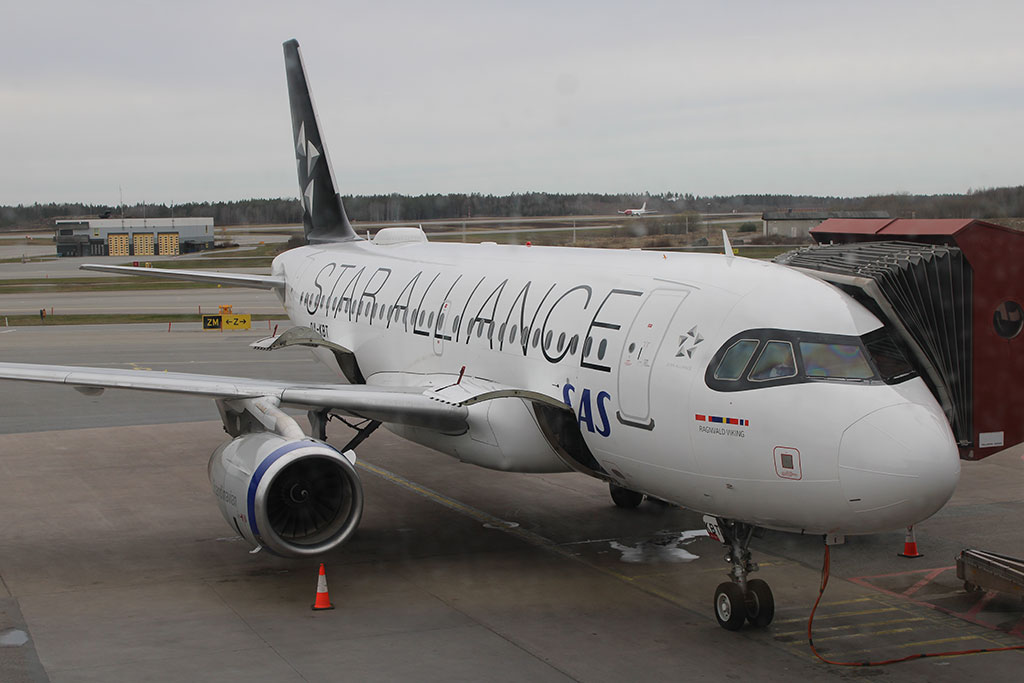
Today, SAS boasts a fleet that primarily consists of Airbus aircraft, reflecting a strategic shift towards modern, fuel-efficient technology. The airline operates from three main hubs: Copenhagen, Stockholm Arlanda, and Oslo Gardermoen, with Copenhagen serving as its principal international gateway. This hub-and-spoke model allows SAS to connect over 100 destinations across Europe, along with essential long-haul routes to North America and Asia.

Key Routes and Market Impact
SAS has long excelled in connecting Scandinavia with Europe, but its intercontinental services are equally vital. Noteworthy routes include direct flights from Copenhagen to major cities such as New York, Chicago, and San Francisco. These long-haul services not only cater to business travelers but also play a crucial role in tourism and economic ties between the regions.
Fleet Composition and Future Plans
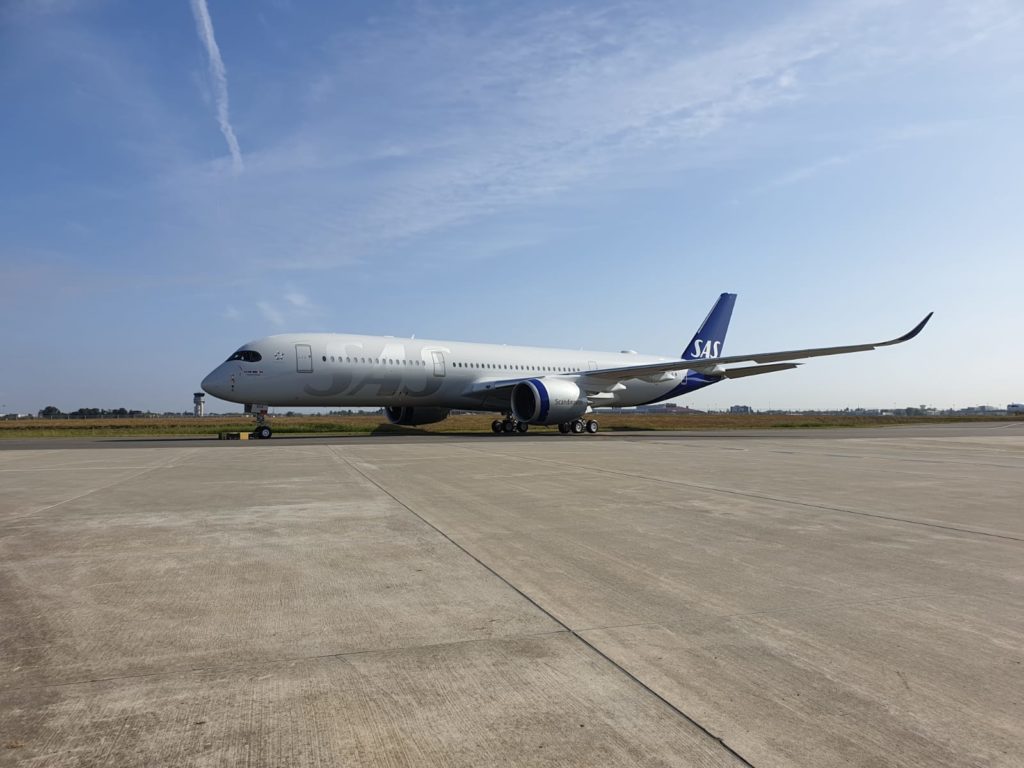
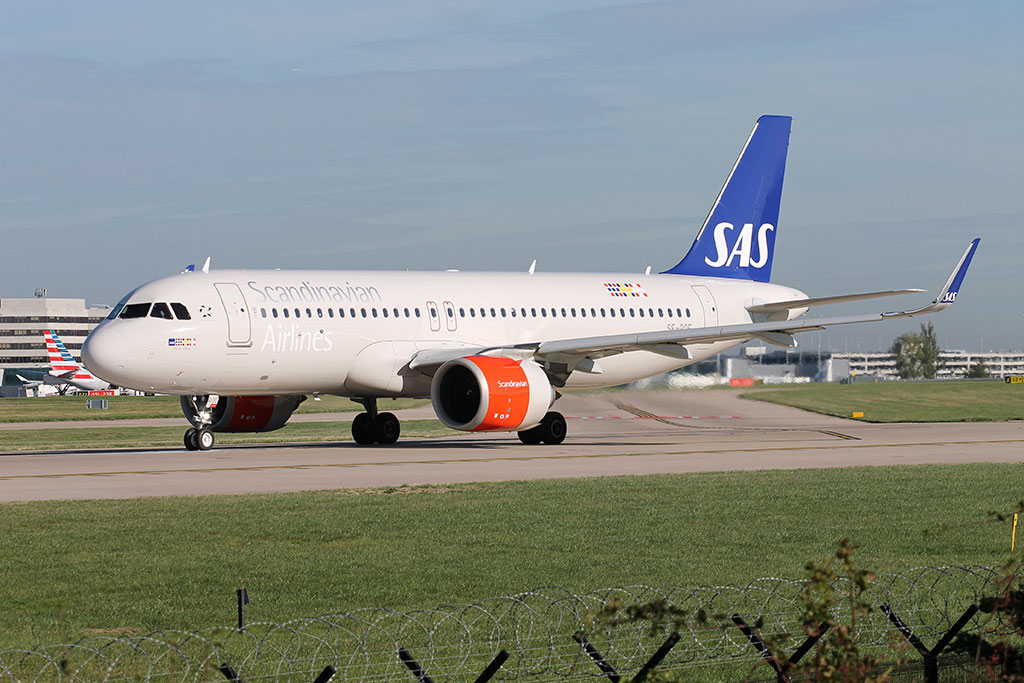
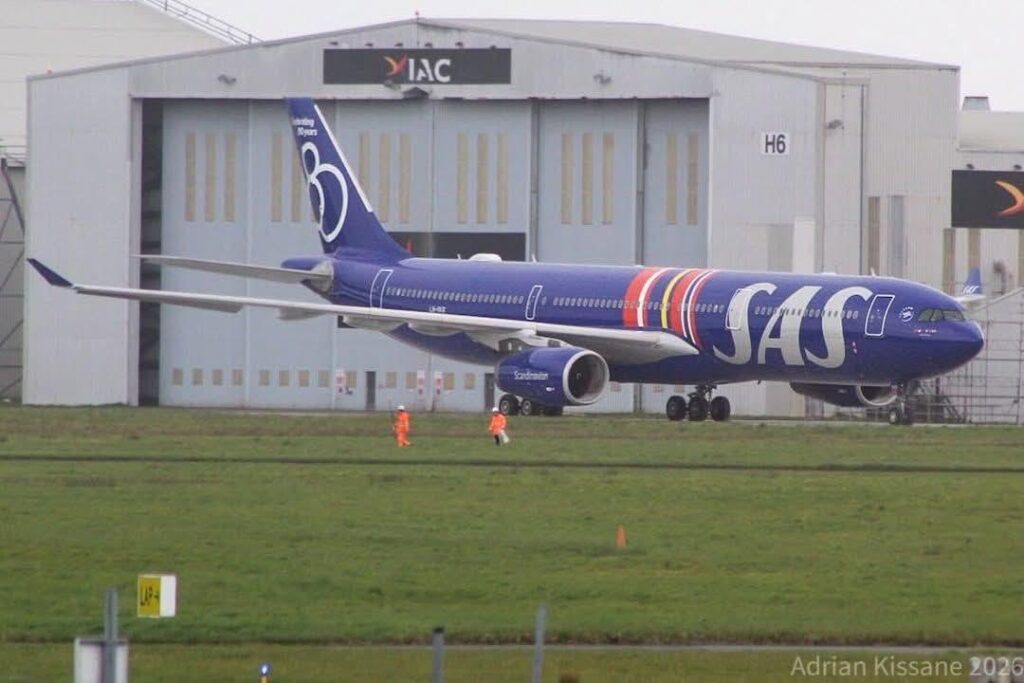
The airline’s commitment to modernizing its fleet is evident, with a current lineup that includes the Airbus A320neo and A350-900, among others. SAS also has firm orders for 18 Airbus A330-900neo aircraft, indicating a clear strategy towards enhancing its long-haul capabilities. This fleet renewal program is essential for maintaining competitive advantage and operational efficiency in a rapidly evolving market.
Brand Identity and Livery Evolution
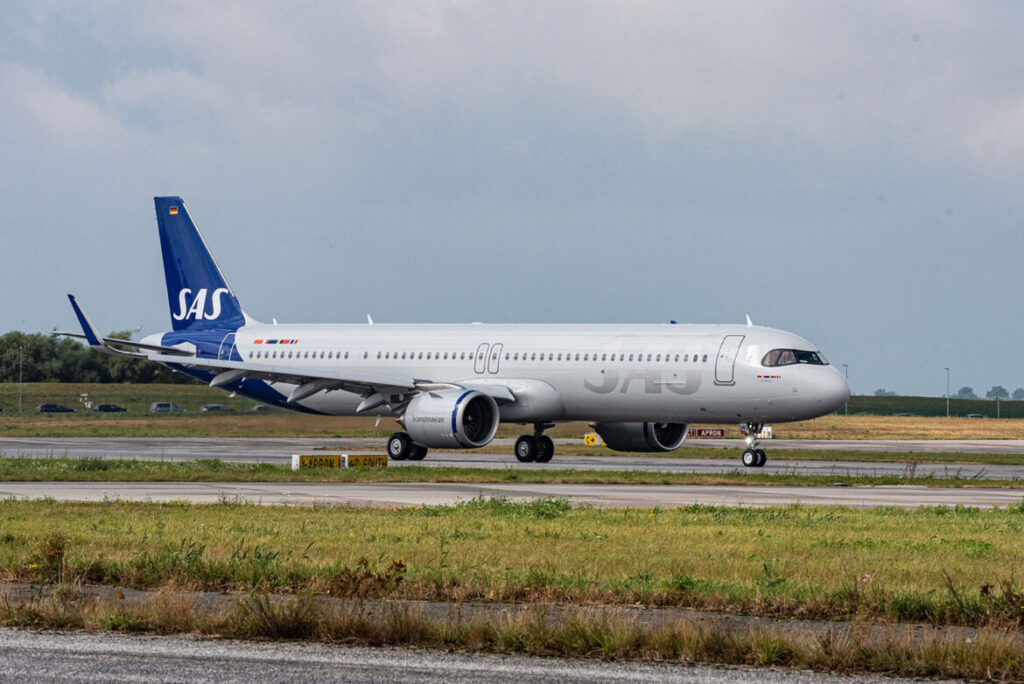
In 2019, SAS unveiled a new corporate identity that reflects a contemporary Scandinavian aesthetic. The updated livery features a sleek silver-grey fuselage adorned with bold dark blue branding, symbolizing the airline’s modern approach while honoring its rich heritage. While the transition to this new design is ongoing, it has already begun to redefine the visual landscape of Scandinavian aviation.
Looking Ahead
As SAS navigates this new chapter, its integration into the SkyTeam alliance and ongoing fleet enhancements position it for future growth and resilience. The airline’s ability to adapt to changing market dynamics, combined with its commitment to operational excellence, will be critical as it continues to serve as a vital link between Scandinavia and the world.

This article was prepared by LibelulaFly as an independent aviation-news summary and editorial reinterpretation based on publicly available reporting. Images, when used, are included for editorial context with source attribution. Original source: www.airportspotting.com. Read the original article here: https://www.airportspotting.com/scandinavian-airlines-sas-fleet-routes-history-and-livery-guide/.
List, promote, or publish aircraft with LibelulaFly.
LibelulaFly.com • Sales@libelulafly.com • +1 305-332-1942
Jul
A Milestone in Aviation History
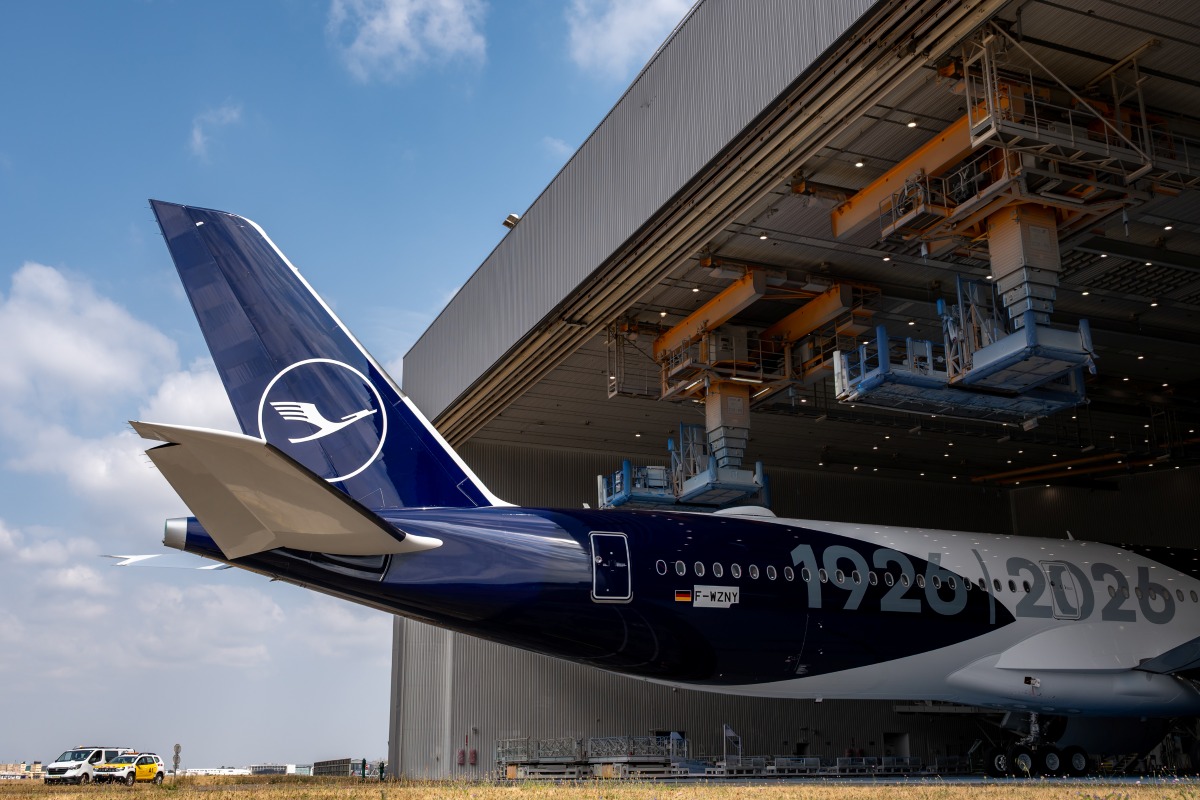
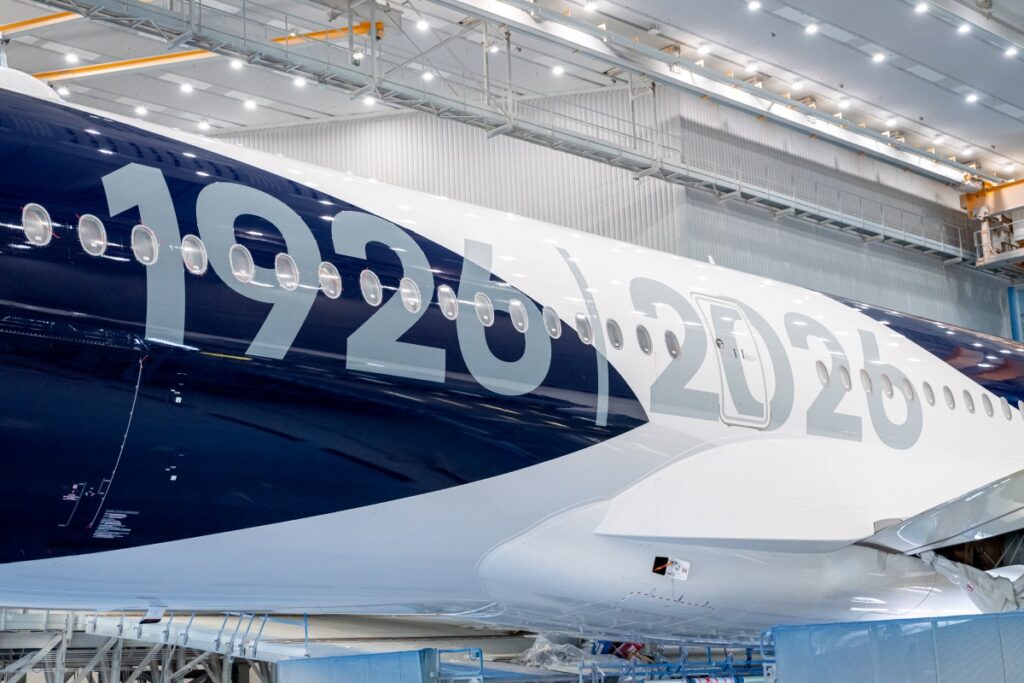
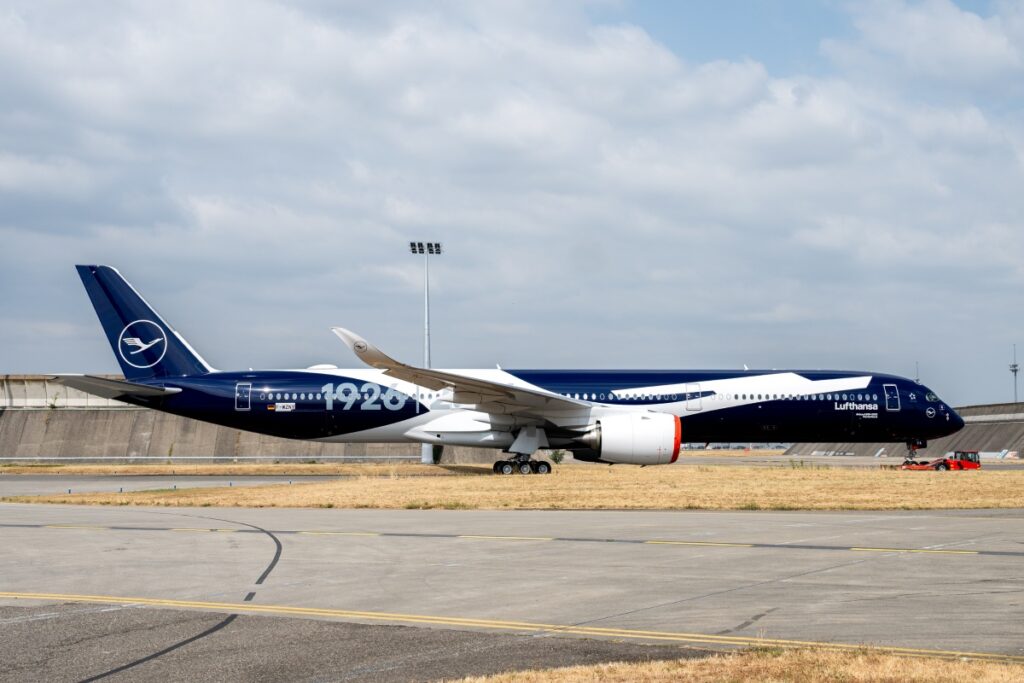
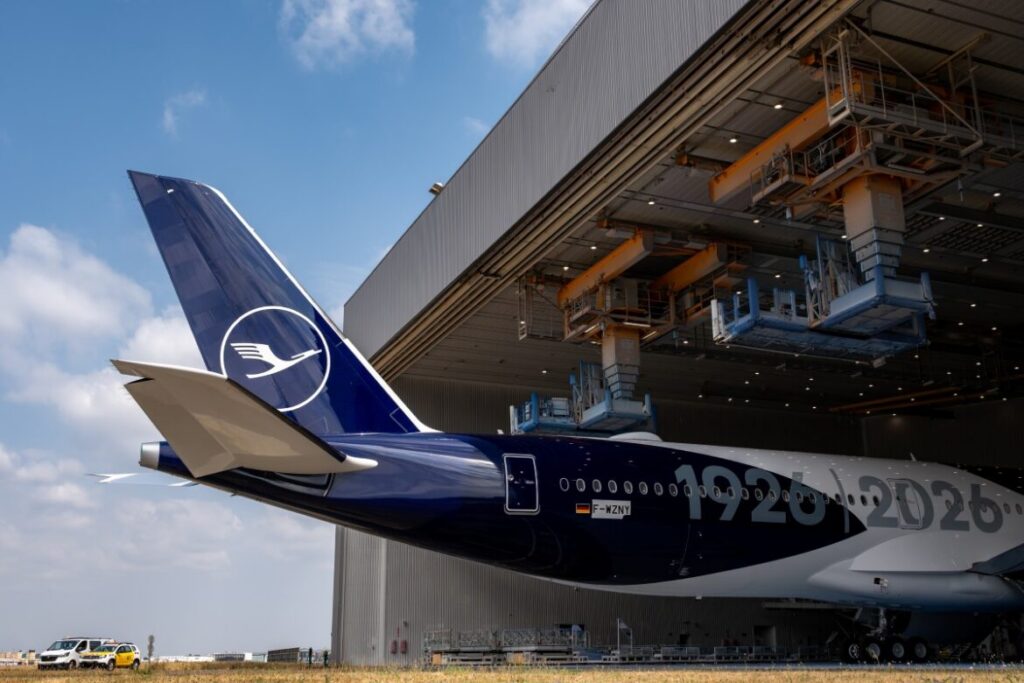
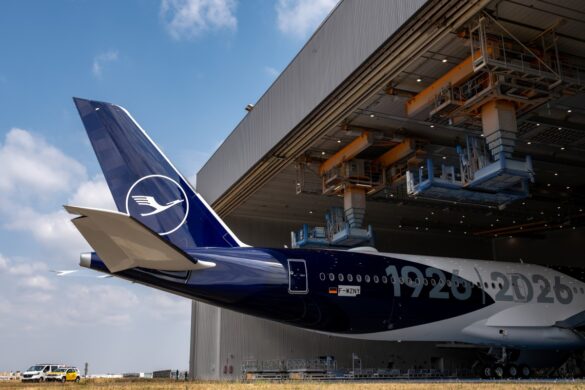
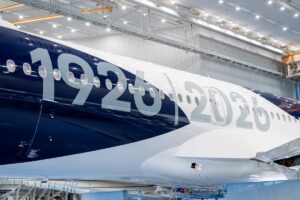
Lufthansa has marked a significant milestone in its operational evolution with the unveiling of its first Airbus A350-1000, designated D-AIFA, emerging from the paint shop in Toulouse. This aircraft is not only a new addition to the airline’s fleet but also celebrates Lufthansa’s centenary, featuring a unique livery that highlights the airline’s iconic crane logo, a symbol of its rich heritage.
Strengthening Long-Haul Operations
As part of an order for 15 Airbus A350-1000 aircraft, D-AIFA is set to enhance Lufthansa’s capacity and operational efficiency on long-haul routes. This new flagship will be stationed at Munich Airport, reinforcing the city as a pivotal hub for the airline’s international services. The A350-1000, being approximately seven meters longer than its A350-900 counterpart, allows for a greater number of passengers while maintaining the operational advantages of fuel efficiency and reduced emissions.
Commemorative Design and Fleet Integration
The special livery adorning D-AIFA aligns with Lufthansa’s ongoing centennial celebrations, which will extend through 2026. This striking design is part of a broader initiative that includes several aircraft across the fleet, showcasing the airline’s commitment to honoring its legacy while looking towards the future. The A350-1000 is expected to integrate seamlessly with Lufthansa’s existing fleet of A350-900s, further enhancing its long-haul service offerings.
Operational Benefits of the A350-1000
The introduction of the A350-1000 into Lufthansa’s fleet represents a strategic move to replace older aircraft, notably the A340-600, which have been less efficient in terms of fuel consumption and operational costs. By adopting the A350-1000, Lufthansa aims to improve its environmental performance while catering to the increasing demand for intercontinental travel. The aircraft will feature the latest Allegris premium cabin products, designed to provide an elevated passenger experience.
A Look Ahead
With D-AIFA nearing the completion of its pre-delivery preparations, Lufthansa is poised to welcome this new asset into service. The A350-1000 is not just a symbol of the airline’s past but also a testament to its forward-looking strategy in the competitive landscape of international aviation. As the airline gears up for its next chapter, the A350-1000 will play a crucial role in shaping the future of its long-haul operations.
Conclusion: A New Era Begins
Lufthansa’s first Airbus A350-1000 is more than just a new aircraft; it is a celebration of a century of aviation excellence and a significant step towards a more sustainable and efficient future. As the airline prepares for its entry into service, the A350-1000 is set to redefine long-haul travel for Lufthansa and its passengers alike, embodying the balance of heritage and innovation.


This article was prepared by LibelulaFly as an independent aviation-news summary and editorial reinterpretation based on publicly available reporting. Images, when used, are included for editorial context with source attribution. Original source: www.airportspotting.com. Read the original article here: https://www.airportspotting.com/lufthansas-first-airbus-a350-1000-spotted/.
List, promote, or publish aircraft with LibelulaFly.
LibelulaFly.com • Sales@libelulafly.com • +1 305-332-1942
Jul
Transforming the Single-Aisle Market
The aviation landscape is witnessing a significant shift as the Airbus A220 increasingly replaces the A319neo in the competitive 100-150 seat segment. This development underscores a broader trend in airline preferences for aircraft that deliver superior efficiency and passenger comfort.
Designed for Modern Demands
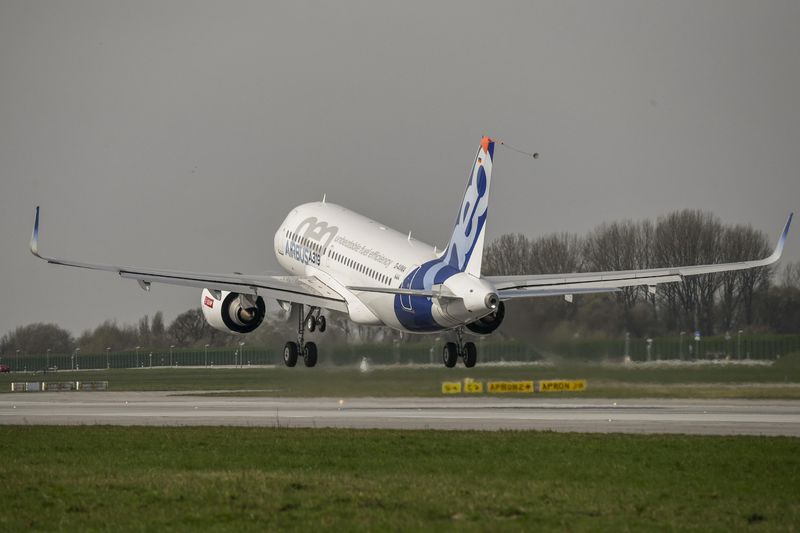
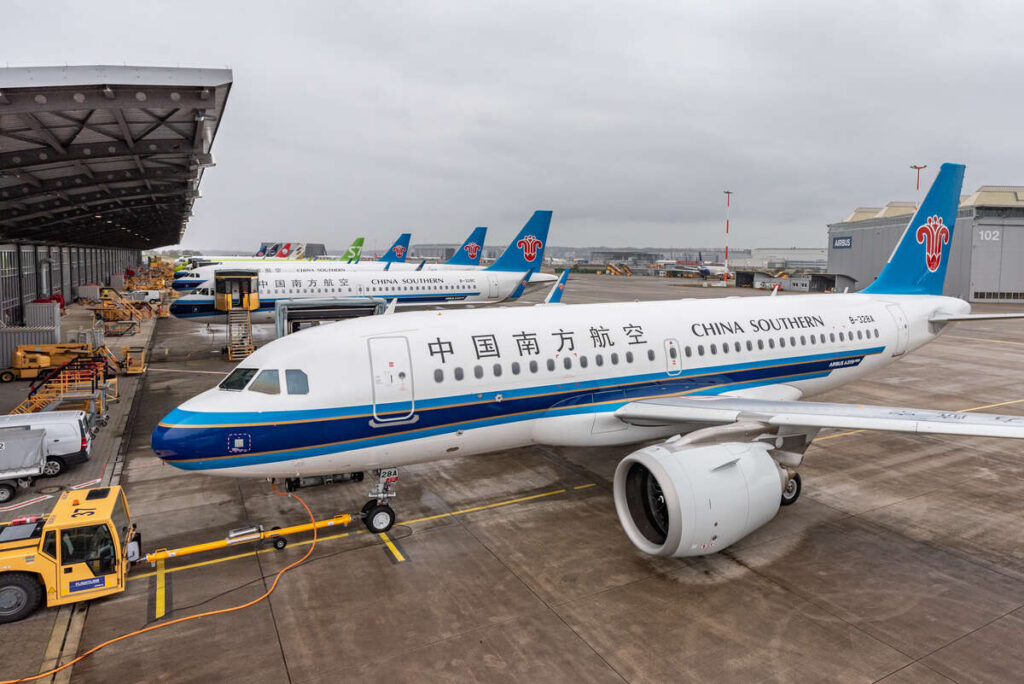
The Airbus A319neo, while a notable member of the A320 family, was not originally conceived for the specific needs of today’s airlines operating thinner routes. The A319neo is an evolution of the A320 series, which first took to the skies in 1987. Despite incorporating modern enhancements such as new engines and aerodynamic improvements, the aircraft retains many features from its larger siblings, resulting in compromises in both weight and economics.
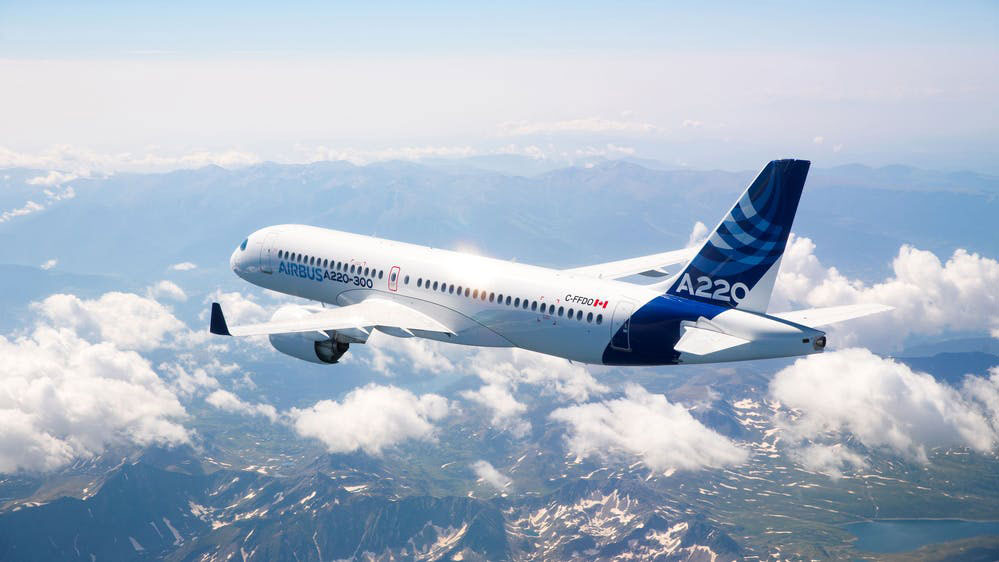
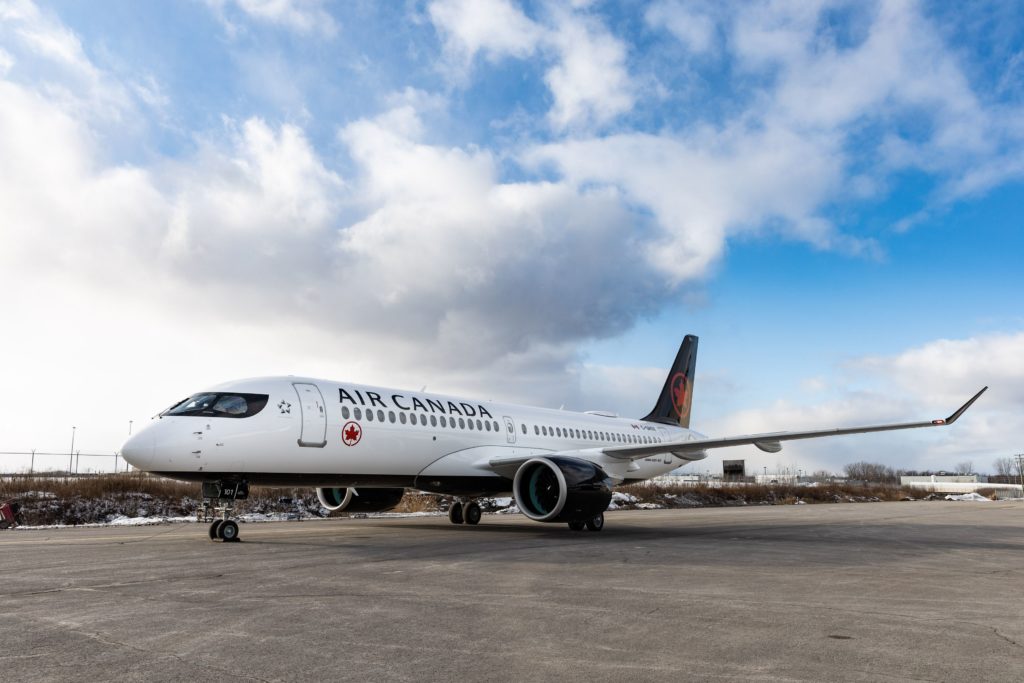
In contrast, the A220, originally developed by Bombardier as the CSeries, was designed with the modern market in mind. Its lightweight structure and advanced aerodynamics, combined with efficient Pratt & Whitney geared turbofan engines, make it a purpose-built solution for airlines targeting the 100-150 seat market. This strategic design focus allows the A220 to operate with lower fuel burn and operating costs compared to the A319neo.
Economic Efficiency as a Priority
For airlines, the cost per seat is a critical factor in operational success. Although the A319neo offers improved fuel efficiency over its predecessor, the A319ceo, it cannot compete with the A220’s optimized performance on short- and medium-haul flights. The A220’s lower operating costs and fuel consumption make it a more attractive option for airlines looking to replace older aircraft like the A319 and Boeing 737-700.
Passenger Preferences Drive Adoption
Beyond operational efficiencies, passenger experience plays a crucial role in the A220’s rising popularity. The aircraft features a five-abreast seating configuration (2-3 layout), minimizing the number of middle seats and enhancing overall comfort. Additionally, the A220 boasts larger windows, quieter cabins, and ample overhead storage, leading to consistently high satisfaction ratings among travelers.
Market Dynamics Favoring Larger Aircraft
The evolving preferences of airlines also contribute to the A319neo’s decline. As air traffic increases and pilot shortages persist, airlines are gravitating towards larger aircraft to maximize efficiency within limited airport slots. The success of the A321neo has further squeezed the A319neo out of the market, as carriers increasingly opt for the A220-300 for about 140 seats or step up to the A320neo for greater capacity.
Sales Figures Reflect the Shift
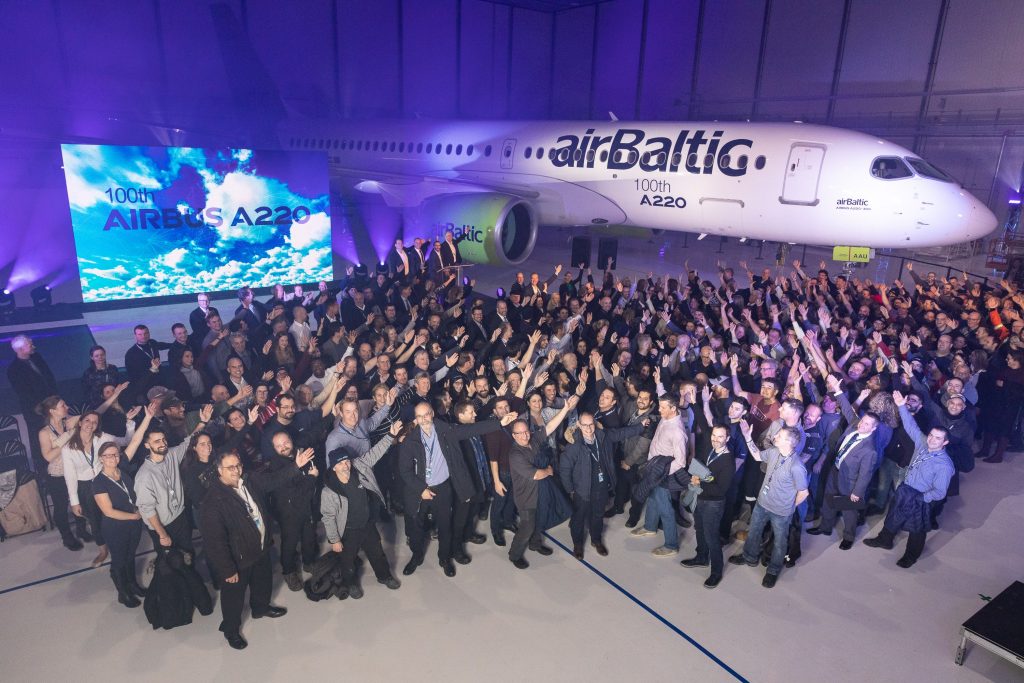
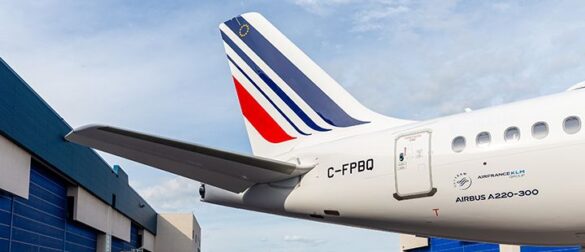
The sales trajectory of both aircraft illustrates this transition. The A319neo has garnered limited orders, with many airlines opting to convert their commitments to the more popular A320 family. Meanwhile, the A220 has surpassed 1,000 firm orders since Airbus took over the program in 2018, with a growing list of operators that include major carriers such as Delta Air Lines and Air France.
Looking Ahead: The Potential of the A220-500
Airbus is also exploring the possibility of a stretched variant, the A220-500, which could further enhance its market position by accommodating more passengers. This potential expansion of the A220 family would solidify its role as Airbus’ dedicated aircraft for the smaller end of the single-aisle market, increasing pressure on the A319neo.
Conclusion: A Strategic Shift in Aviation
The A319neo remains a competent aircraft, but it is clear that the market has evolved beyond its capabilities. Airlines now favor aircraft that are purpose-built for modern operational demands, where efficiency and passenger experience are paramount. By acquiring the Bombardier CSeries program, Airbus has positioned itself to meet these needs effectively, allowing the A220 to not only complement but effectively replace the A319neo in the competitive landscape of single-aisle aviation.


This article was prepared by LibelulaFly as an independent aviation-news summary and editorial reinterpretation based on publicly available reporting. Images, when used, are included for editorial context with source attribution. Original source: www.airportspotting.com. Read the original article here: https://www.airportspotting.com/why-has-the-airbus-a220-replaced-the-a319neo/.
List, promote, or publish aircraft with LibelulaFly.
LibelulaFly.com • Sales@libelulafly.com • +1 305-332-1942
Jun
Transitioning from a Legacy Fleet
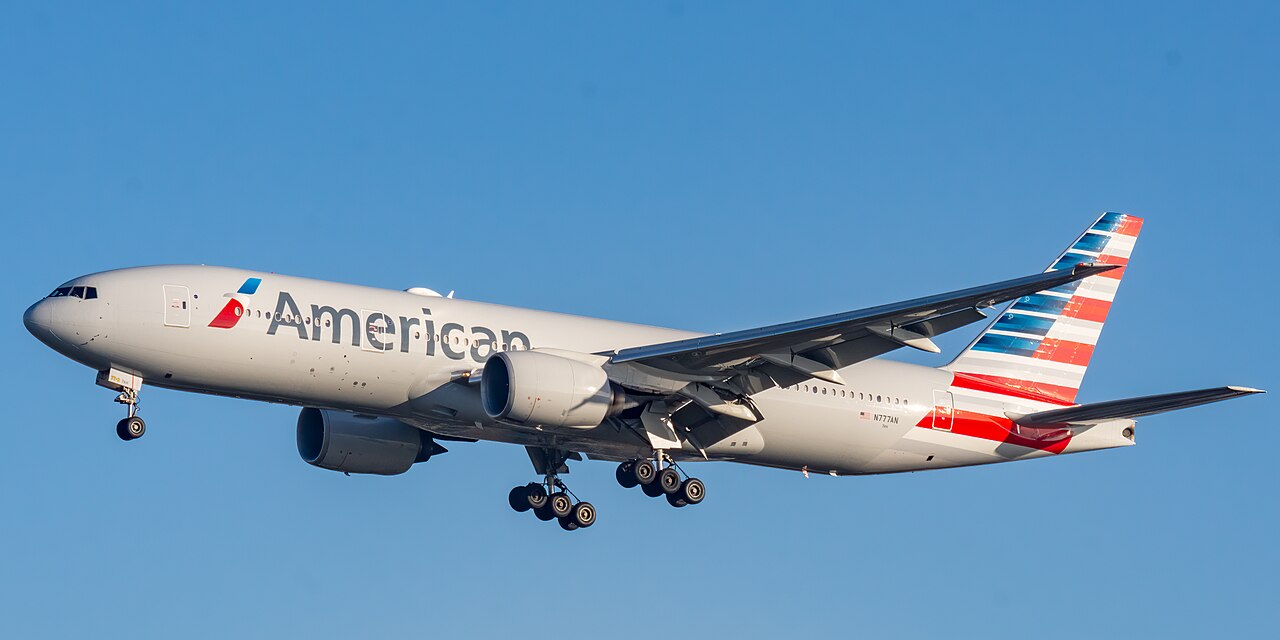
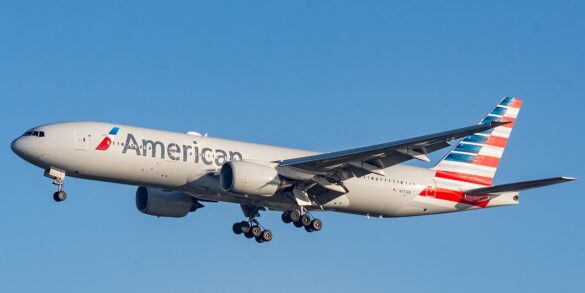
American Airlines has relied on the Boeing 777-200ER for over twenty years, making it a cornerstone of the airline’s long-haul operations. As the fleet ages, with many aircraft nearing 25 years in service, discussions about their eventual replacement have intensified. CEO Robert Isom has indicated that American is actively assessing its future widebody aircraft needs, with proposals from both Boeing and Airbus under consideration.
The Role of the Boeing 777-200ER
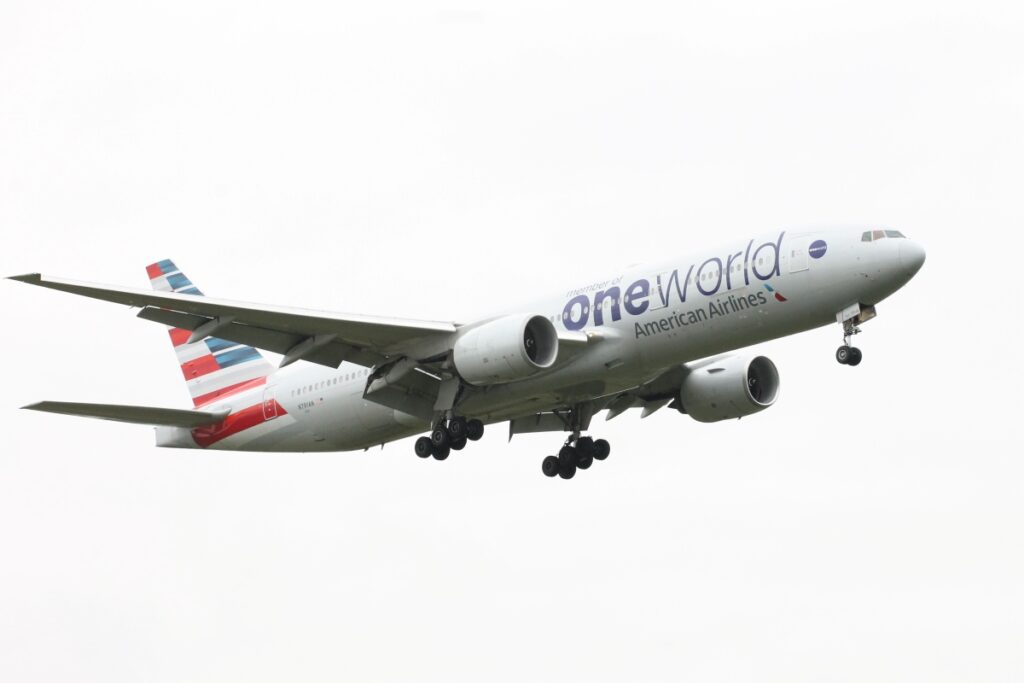
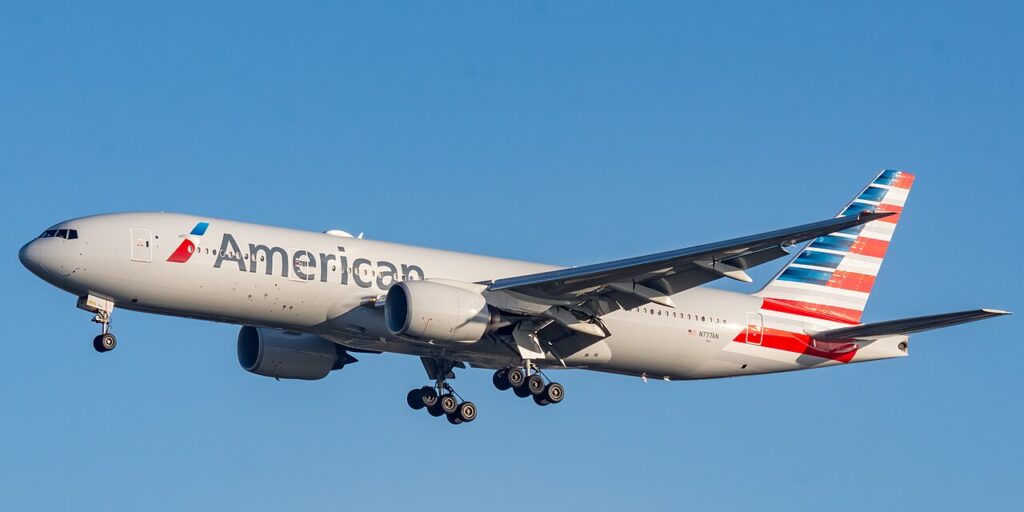
Currently, American Airlines operates approximately 45 Boeing 777-200ER aircraft, which serve as critical links between major hubs and international destinations. These aircraft are integral to routes such as Dallas/Fort Worth to London Heathrow and Miami to Buenos Aires, among others. While the Boeing 777-300ER handles flagship routes, the 777-200ER has proven itself as a reliable workhorse, adapting to seasonal demand fluctuations and maintaining a significant presence in the airline’s international operations.
Commitment to the Current Fleet
Despite initial expectations for a swift retirement of the 777-200ERs, American Airlines has opted for extensive refurbishment. Upgrades include modernized interiors, enhanced Wi-Fi connectivity, and cabin improvements designed to align the aircraft with newer models. This strategy suggests that the airline anticipates keeping the 777-200ER operational well into the 2030s, demonstrating a commitment to maximizing the aircraft’s lifespan while improving passenger experience.
Looking Ahead: Evaluating Future Options
As American Airlines prepares for the eventual retirement of its Boeing 777-200ER fleet, the airline is considering several potential successors. The evaluation process is critical, given the long lead times associated with aircraft orders and the current backlog in widebody aircraft production.
Potential Candidates for Replacement
One strong contender is the Boeing 787 Dreamliner, which American already operates. The airline has both 787-8 and 787-9 models and has additional orders pending. The benefits of fleet commonality, including shared pilot training and maintenance, position the Dreamliner as a practical choice for gradual replacement of the 777-200ER.
Another possibility is the Airbus A350, which, despite American’s previous cancellation of its order, has garnered renewed interest due to its efficiency and performance capabilities. The A350-900 could serve as a suitable replacement for many of the routes currently flown by the 777-200ER.
Lastly, the Boeing 777X family, particularly the 777-9 variant, could offer greater capacity and operational flexibility. However, its size may limit its suitability for many routes currently served by the 777-200ER, complicating its potential as a direct replacement.

Strategic Decisions Ahead
While the retirement of the Boeing 777-200ER fleet is not imminent, American Airlines faces crucial decisions regarding its future widebody aircraft strategy. The outcome of this evaluation will significantly shape the airline’s long-haul operations and fleet composition for years to come. For now, the Boeing 777-200ER remains a familiar sight in the skies, continuing to connect passengers across continents while the future unfolds.



This article was prepared by LibelulaFly as an independent aviation-news summary and editorial reinterpretation based on publicly available reporting. Images, when used, are included for editorial context with source attribution. Original source: www.airportspotting.com. Read the original article here: https://www.airportspotting.com/what-will-replace-american-airlines-boeing-777-200er-fleet/.
List, promote, or publish aircraft with LibelulaFly.
LibelulaFly.com • Sales@libelulafly.com • +1 305-332-1942
Jun
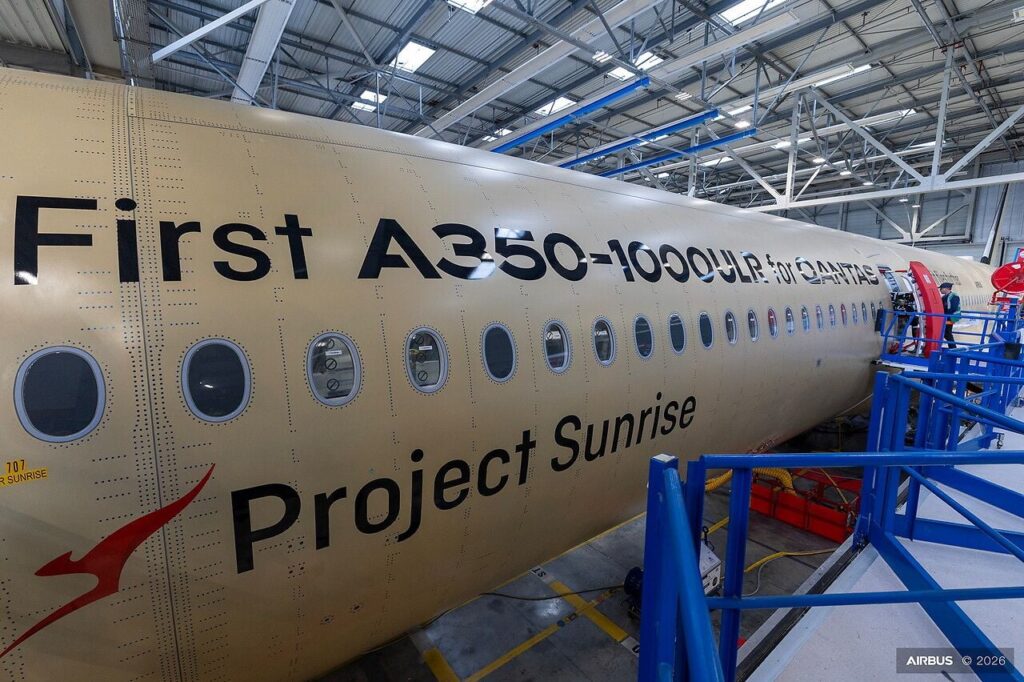
Qantas Marks a Milestone with A350-1000ULR Rollout
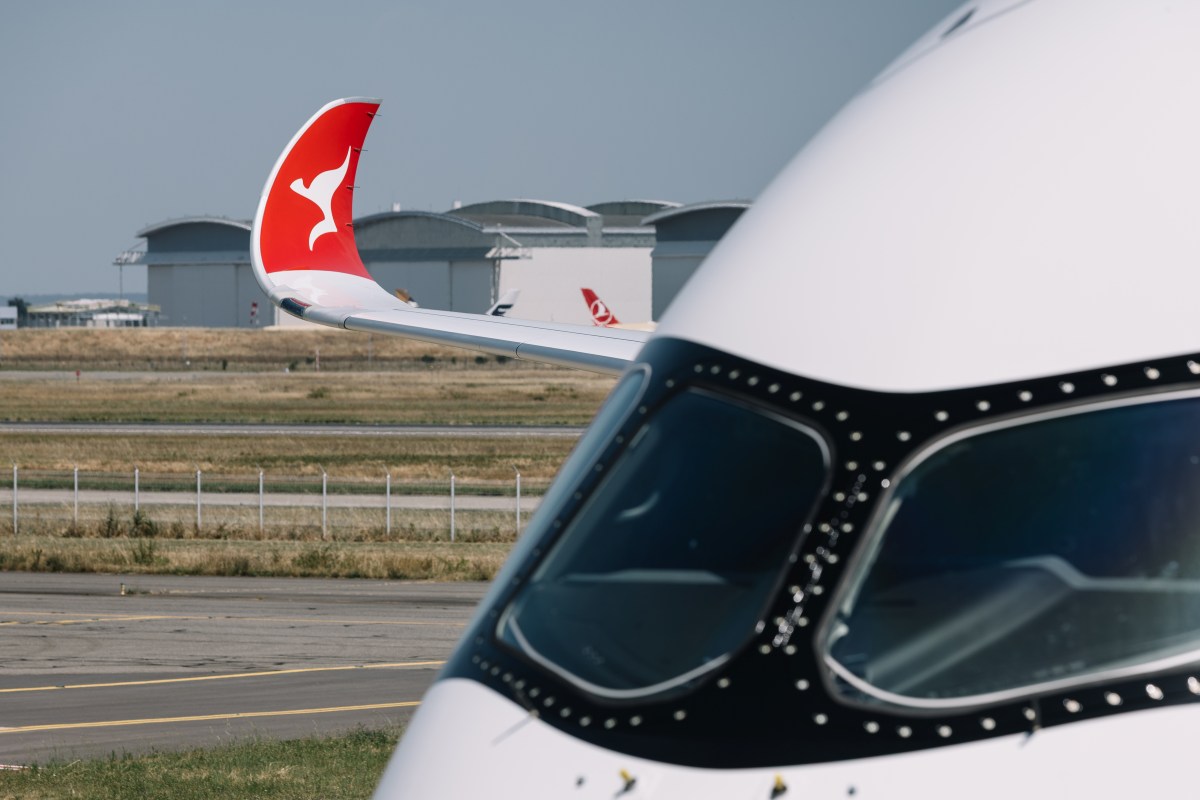
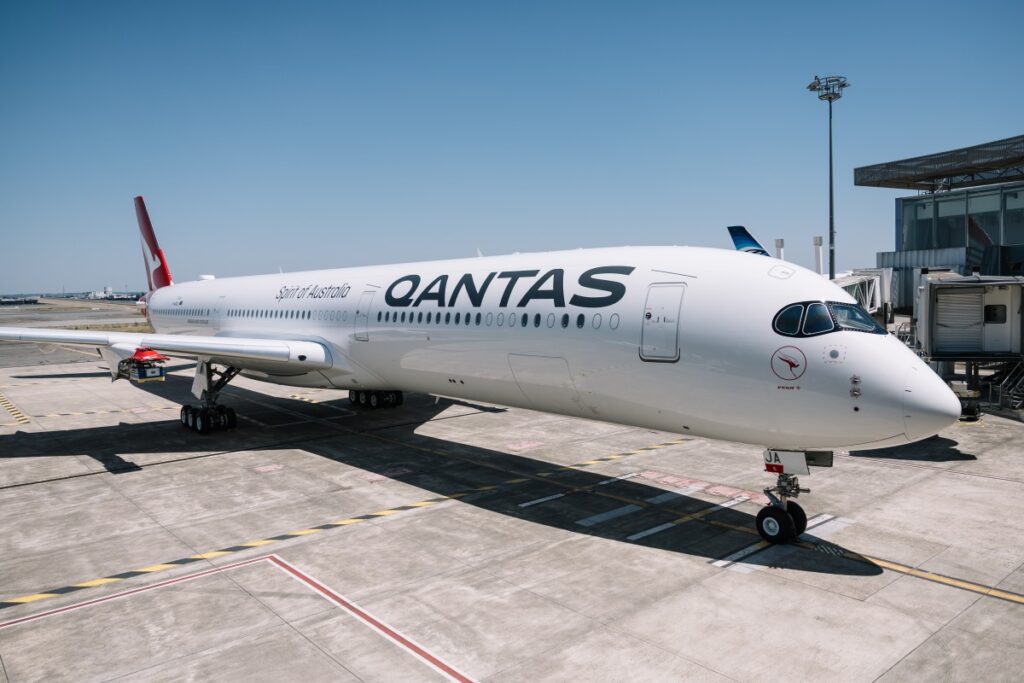
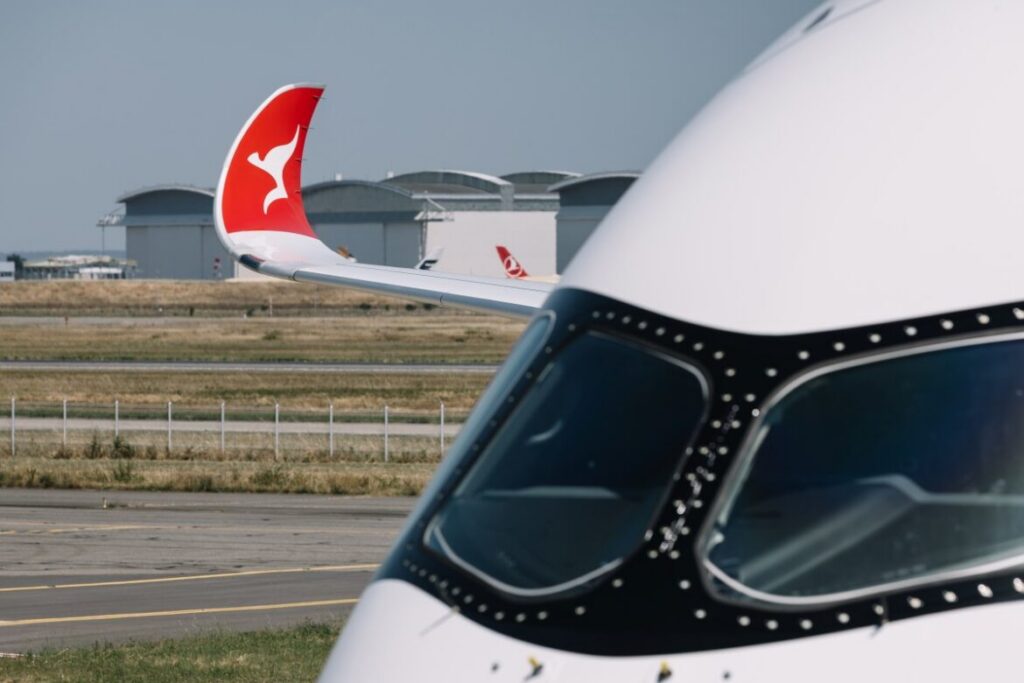
In a significant advancement for long-haul aviation, Qantas has unveiled its first Airbus A350-1000ULR at Airbus’ Toulouse facility, a key development in the airline’s ambitious Project Sunrise initiative. This rollout not only showcases the aircraft in full Qantas livery but also solidifies the airline’s commitment to launching non-stop services between Sydney and London, set to commence in October 2027.
Setting New Standards in Long-Haul Travel
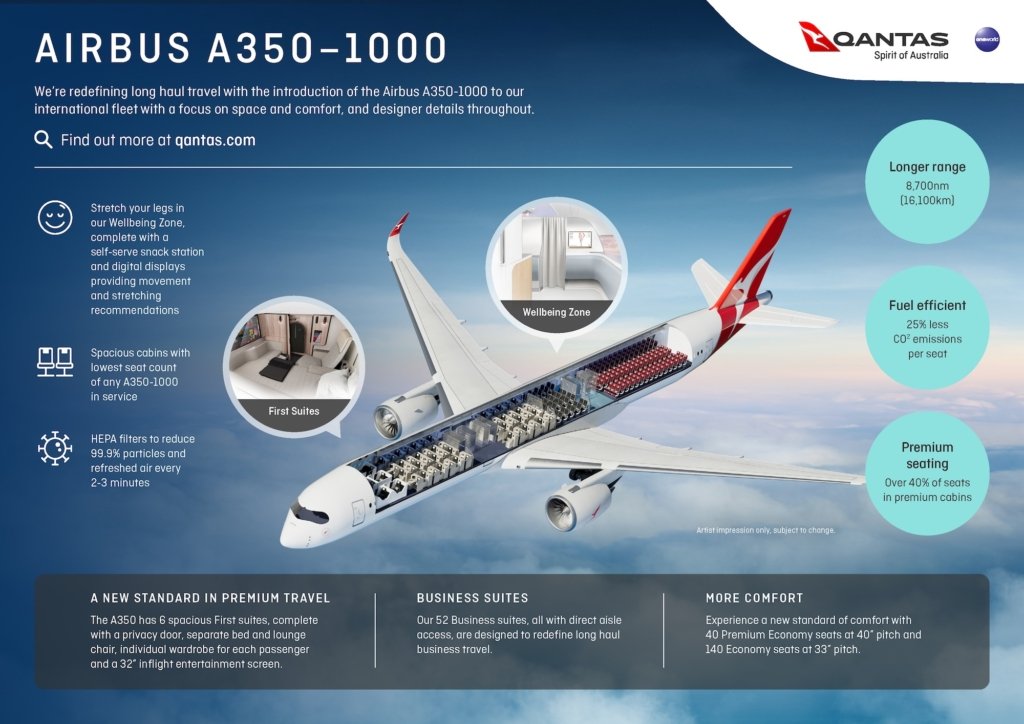
The A350-1000ULR, registered as VH-OJA, is the first of 12 ultra-long-range aircraft ordered by Qantas specifically for this groundbreaking project. With the capacity to cover nearly 10,000 nautical miles, this aircraft is engineered to redefine the parameters of commercial air travel, enabling non-stop services that will significantly reduce travel time across the globe.
Operational Significance of the New Routes
Scheduled to begin in late 2027, the Sydney to London route is poised to become the world’s longest scheduled passenger flight, with journey times estimated between 20 to 22 hours, depending on various operational conditions. This development eliminates the need for stopovers, offering travelers a direct and time-efficient option for one of the most sought-after long-haul routes.
Expanding Horizons: New York to Follow
Following the launch of the London service, Qantas has indicated that non-stop flights to New York will also be introduced. The A350-1000ULRs will be strategically assigned to both routes, enhancing connectivity between Australia and key global markets. The decision to prioritize Sydney as the launch point reflects the city’s robust premium travel demand, highlighting the airline’s focus on catering to high-value passengers.
Innovative Design Enhancements
The A350-1000ULR features substantial modifications compared to its standard counterpart, including an additional fuel tank that extends its range by approximately 1,000 nautical miles. This capability allows the aircraft to sustain longer flight durations while accommodating a lower passenger count of 238 in a four-class configuration. This design prioritizes passenger comfort and well-being, particularly for long-haul journeys.
From Concept to Reality: The Journey of Project Sunrise
Project Sunrise was initiated in 2017, with Qantas challenging manufacturers to develop an aircraft capable of connecting Australia directly with Europe and North America. After thorough evaluations, the airline selected the Airbus A350-1000 and finalized the order in 2022. Despite facing challenges such as the pandemic and supply chain disruptions, Qantas is now on the cusp of realizing its vision, with the first aircraft undergoing testing as it prepares for certification.
A Glimpse into the Future of Aviation
The rollout of VH-OJA marks a pivotal moment not just for Qantas, but for the aviation industry as a whole. As the airline gears up for its first flights in 2027, the A350-1000ULR represents a leap forward in the quest for ultra-long-haul capabilities, promising to transform the travel experience and open new avenues for international connectivity.


This article was prepared by LibelulaFly as an independent aviation-news summary and editorial reinterpretation based on publicly available reporting. Images, when used, are included for editorial context with source attribution. Original source: www.airportspotting.com. Read the original article here: https://www.airportspotting.com/qantas-reveals-sydney-london-launch-date-as-first-a350-1000ulr-rolls-out/.
List, promote, or publish aircraft with LibelulaFly.
LibelulaFly.com • Sales@libelulafly.com • +1 305-332-1942
Jun
Aviation Enthusiasts Anticipate Farnborough 2026
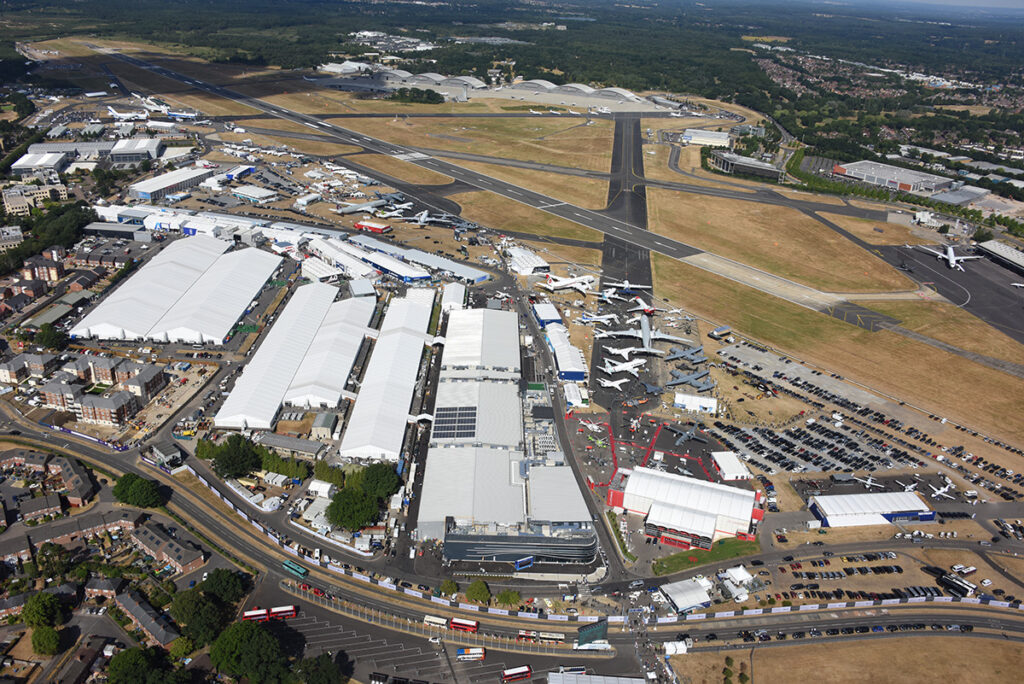
The Farnborough International Airshow, a cornerstone event in the aerospace calendar, has unveiled its first aircraft for the 2026 edition, scheduled from July 20 to 24 at Farnborough Airport in Hampshire. This biennial gathering is renowned for showcasing the latest advancements in aviation technology, alongside a rich array of historic aircraft. The early announcement of participating aircraft has already generated excitement among aviation professionals and enthusiasts alike.
Highlighting Innovation with the Boeing 747-400 Testbed
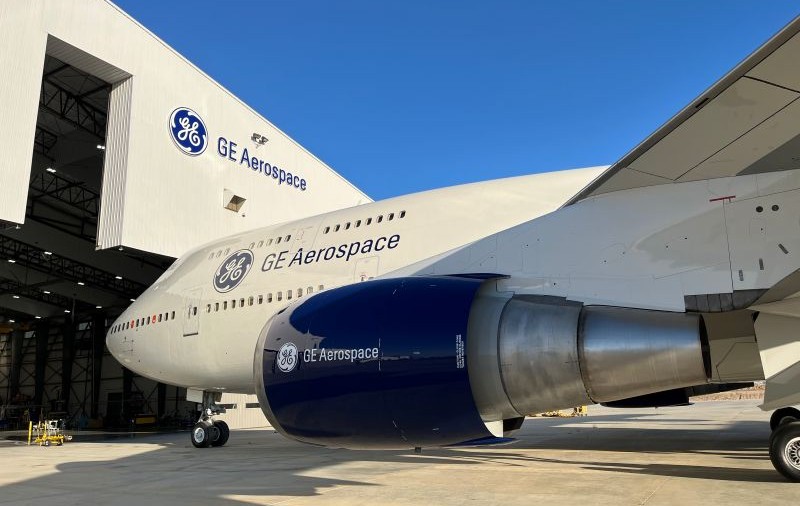
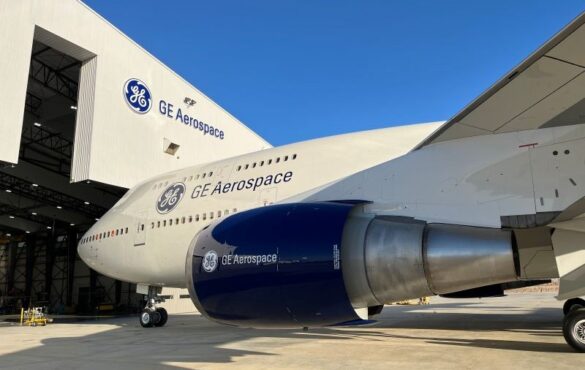
Among the notable aircraft confirmed for the show is the Boeing 747-400 testbed, operated by GE Aerospace. This aircraft has played a pivotal role in engine development and certification, often featuring experimental engines that are vital to the evolution of modern airliner propulsion systems. The 747-400 testbed’s presence at Farnborough not only underscores its significance in aviation research but also offers a rare opportunity for spectators to witness this iconic aircraft in flight, as it gradually phases out of commercial service globally.
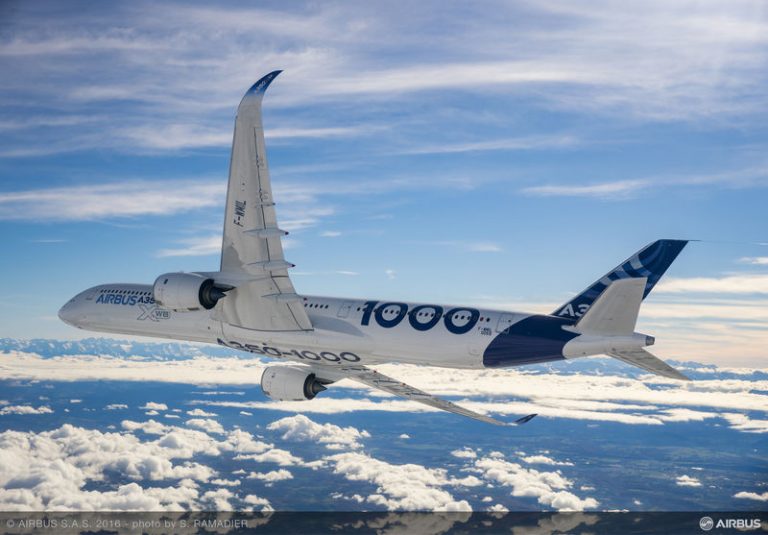
Showcasing the Airbus A350-1000
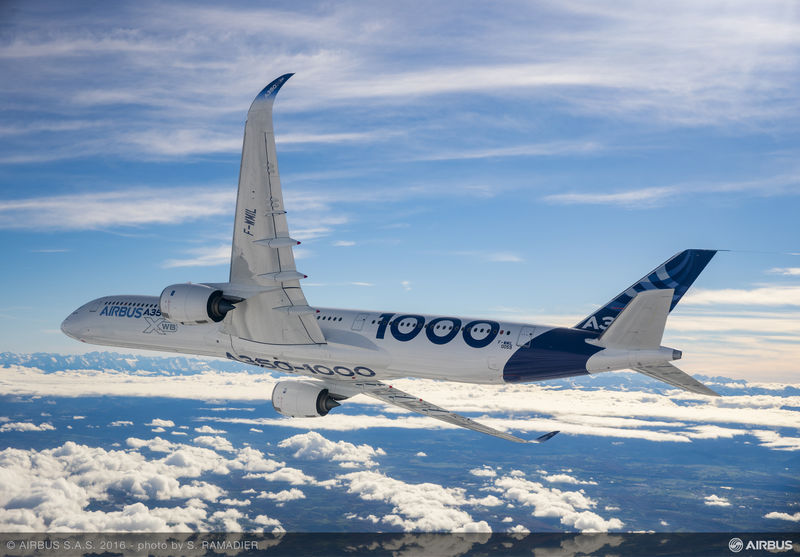
Airbus will also feature its A350-1000, a model that epitomizes the latest advancements in widebody aircraft design and technology. Renowned for its fuel efficiency, extended range, and enhanced passenger comfort, the A350-1000 has become a staple for several major airlines, including British Airways and Qatar Airways. Attendees can expect a compelling aerial demonstration, as Airbus is known for delivering impressive flight displays that highlight the aircraft’s capabilities and innovations.
A Nod to History with the P-51D Mustang
In addition to modern marvels, the airshow will also celebrate aviation history with the inclusion of the P-51D Mustang from Ultimate Warbird Flights. This legendary fighter aircraft, famous for its role in World War II, remains one of the most celebrated warbirds today. Its distinctive design and powerful Merlin engine continue to captivate audiences, providing a nostalgic contrast to the contemporary aircraft populating the event.
Looking Ahead: More Aircraft to Be Announced
The initial lineup represents just a fraction of what attendees can expect at Farnborough 2026. Organizers have indicated that additional aircraft for both flying and static displays will be announced in the coming months, promising a diverse array of aircraft that spans the spectrum of aviation history and innovation. Given the event’s reputation for attracting significant participants, the 2026 show is poised to be one of the largest in its history, reflecting the growing demand within the aerospace sector.
Aviation’s Future Takes Flight
The Farnborough International Airshow 2026 is shaping up to be a landmark event for aviation enthusiasts, industry professionals, and manufacturers alike. With the confirmed presence of the Boeing 747-400 testbed, Airbus A350-1000, and P-51D Mustang, the event not only highlights the ongoing advancements in aviation technology but also honors the rich legacy of flight. As the aviation world continues to evolve, Farnborough remains a vital platform for showcasing both current innovations and historical achievements, making it a must-attend event on the aerospace calendar.


This article was prepared by LibelulaFly as an independent aviation-news summary and editorial reinterpretation based on publicly available reporting. Images, when used, are included for editorial context with source attribution. Original source: www.airportspotting.com. Read the original article here: https://www.airportspotting.com/farnborough-airshow-2026-reveals-aircraft-display-line-up-boeing-747-airbus-a350-mustang-among-highlights/.
List, promote, or publish aircraft with LibelulaFly.
LibelulaFly.com • Sales@libelulafly.com • +1 305-332-1942
May
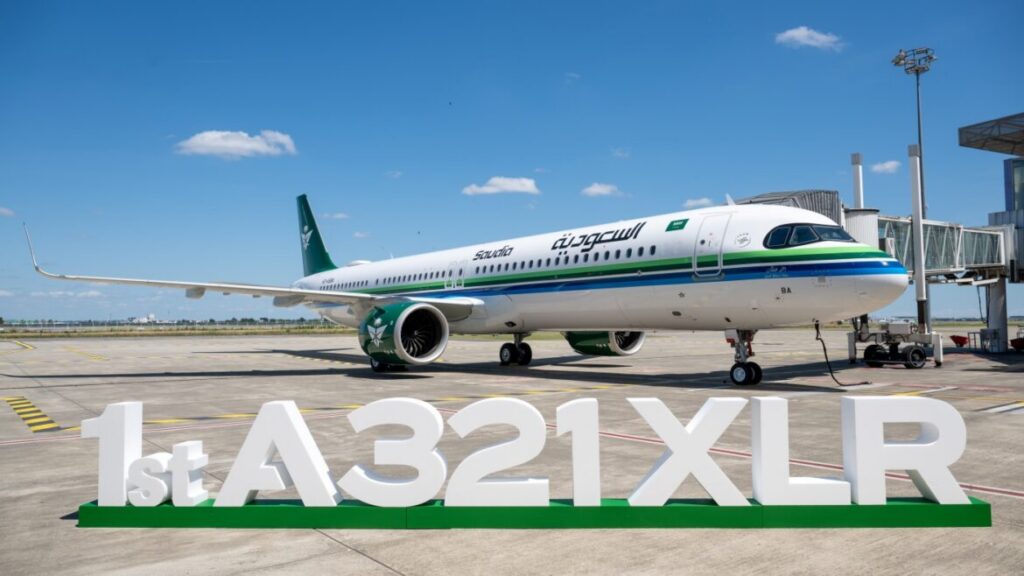
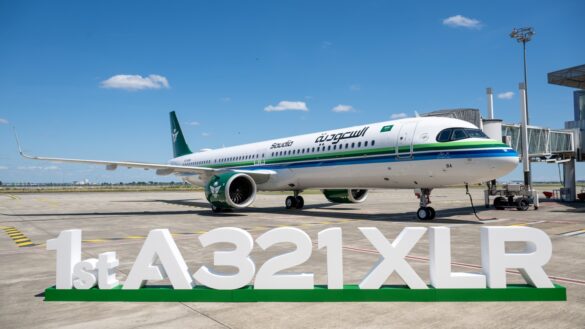
Saudia Embarks on a New Era with Airbus A321XLR
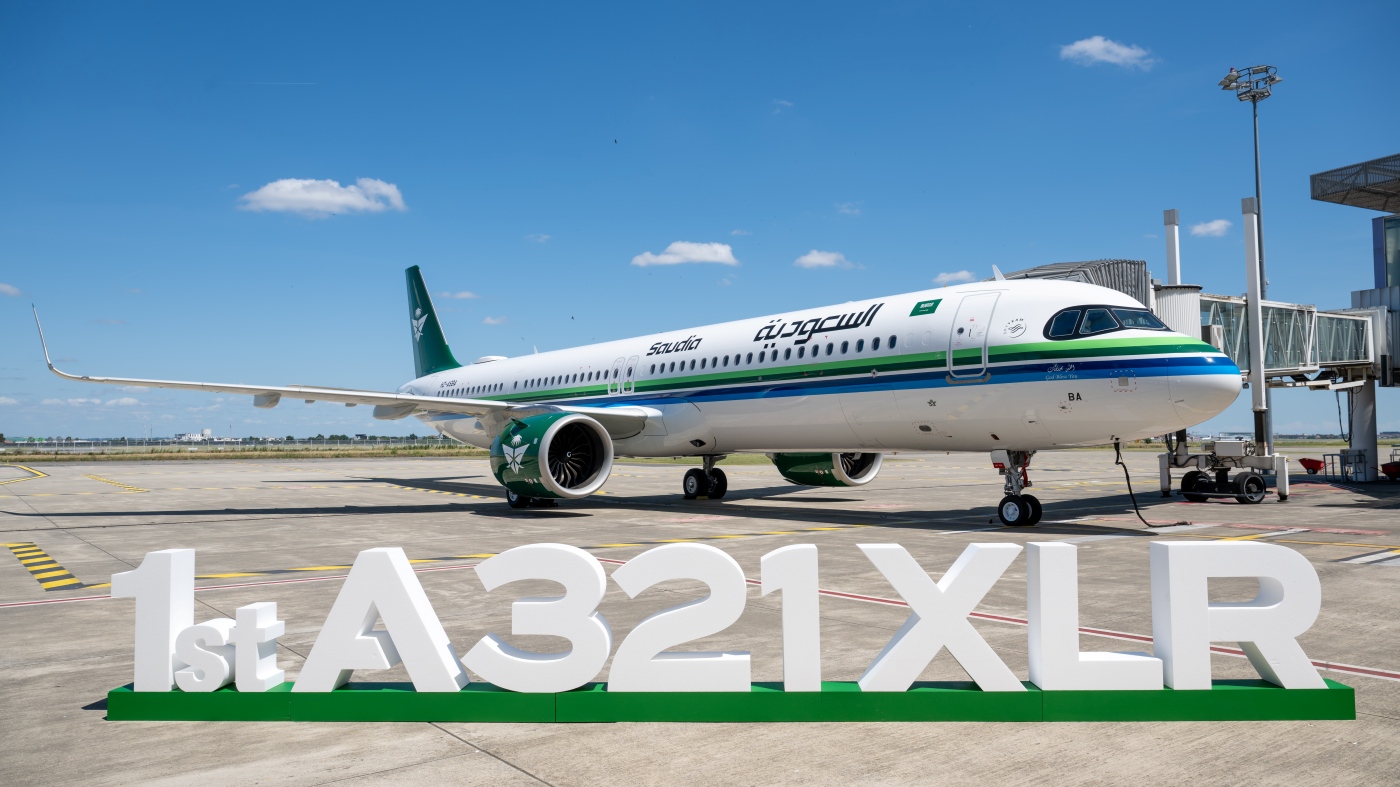
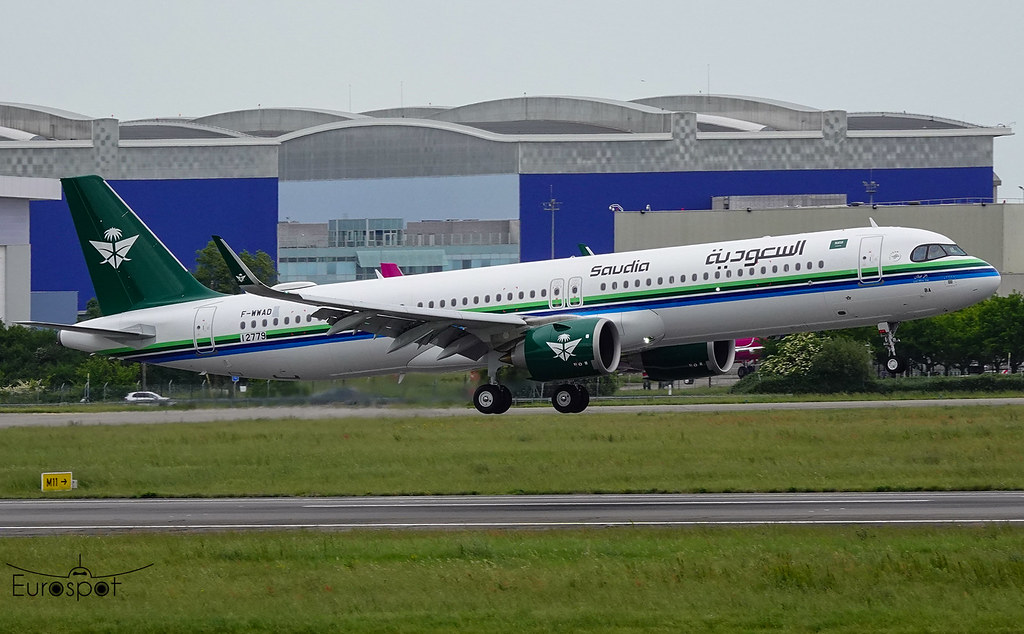
In a significant advancement for its fleet modernization strategy, Saudia has officially received its inaugural Airbus A321XLR, becoming the first airline in the Middle East and Africa to incorporate this state-of-the-art ultra long-range narrowbody airliner into its operations. This delivery not only underscores Saudia’s commitment to enhancing its service offerings but also aligns with Saudi Arabia’s broader aviation ambitions outlined in Vision 2030.
A Strategic Addition to the Fleet
The aircraft, registered as HZ-ASBA, was delivered from Airbus’ Toulouse facility and made its way directly to Jeddah on May 24. This marks the beginning of a series of deliveries, with Saudia set to welcome a total of 15 A321XLRs by 2027. The inclusion of these aircraft is poised to transform the airline’s operational capabilities, allowing it to tap into new markets and optimize existing routes.
Innovative Cabin Configuration
The A321XLR is configured to accommodate 144 passengers, featuring a premium layout that includes 24 fully-flat Business Class suites with direct aisle access, complemented by 120 Economy Class seats. This configuration is designed to provide a “widebody experience” within a single-aisle framework, thanks to the advanced Airspace cabin interior. The aircraft’s long-range capabilities enable Saudia to operate thinner long-haul routes more efficiently than traditional larger aircraft such as the Boeing 787 or Airbus A330.
Operational Flexibility and Market Reach
With an impressive range of up to 4,700 nautical miles (8,700 km), the A321XLR allows Saudia to explore new operational possibilities, including increasing flight frequencies on existing routes while maintaining lower operational costs. According to route filings, the airline is expected to deploy the A321XLR on services from both Jeddah and Riyadh to various destinations in Europe beginning in the summer of 2026. Planned routes include:
- Jeddah – Vienna
- Jeddah – Athens
- Jeddah – Milan Malpensa
- Jeddah – Barcelona
- Jeddah – Brussels
- Jeddah – Male
- Riyadh – Geneva
- Riyadh – Moscow Sheremetyevo
In addition to these European routes, further expansion into African and South Asian markets is anticipated as more A321XLR aircraft join the fleet.
Implications for Aviation Enthusiasts
The introduction of the A321XLR is particularly noteworthy for aviation enthusiasts and plane spotters, as it represents a shift in operational dynamics by bringing narrowbody aircraft into markets traditionally dominated by widebody jets. Saudia’s unique low-density premium configuration positions these aircraft as some of the most exclusive A321XLRs currently in service.
Future Prospects and Fleet Expansion
This delivery is part of a larger strategic order from the Saudia Group that includes additional A321neos and other fleet expansion initiatives for both Saudia and its low-cost subsidiary, flyadeal. As the aviation landscape evolves, Saudia’s commitment to modernization and operational efficiency will play a crucial role in its ability to adapt to changing market demands.





This article was prepared by LibelulaFly as an independent aviation-news summary and editorial reinterpretation based on publicly available reporting. Images, when used, are included for editorial context with source attribution. Original source: www.airportspotting.com. Read the original article here: https://www.airportspotting.com/saudia-takes-delivery-of-its-first-airbus-a321xlr/.
List, promote, or publish aircraft with LibelulaFly.
LibelulaFly.com • Sales@libelulafly.com • +1 305-332-1942
May
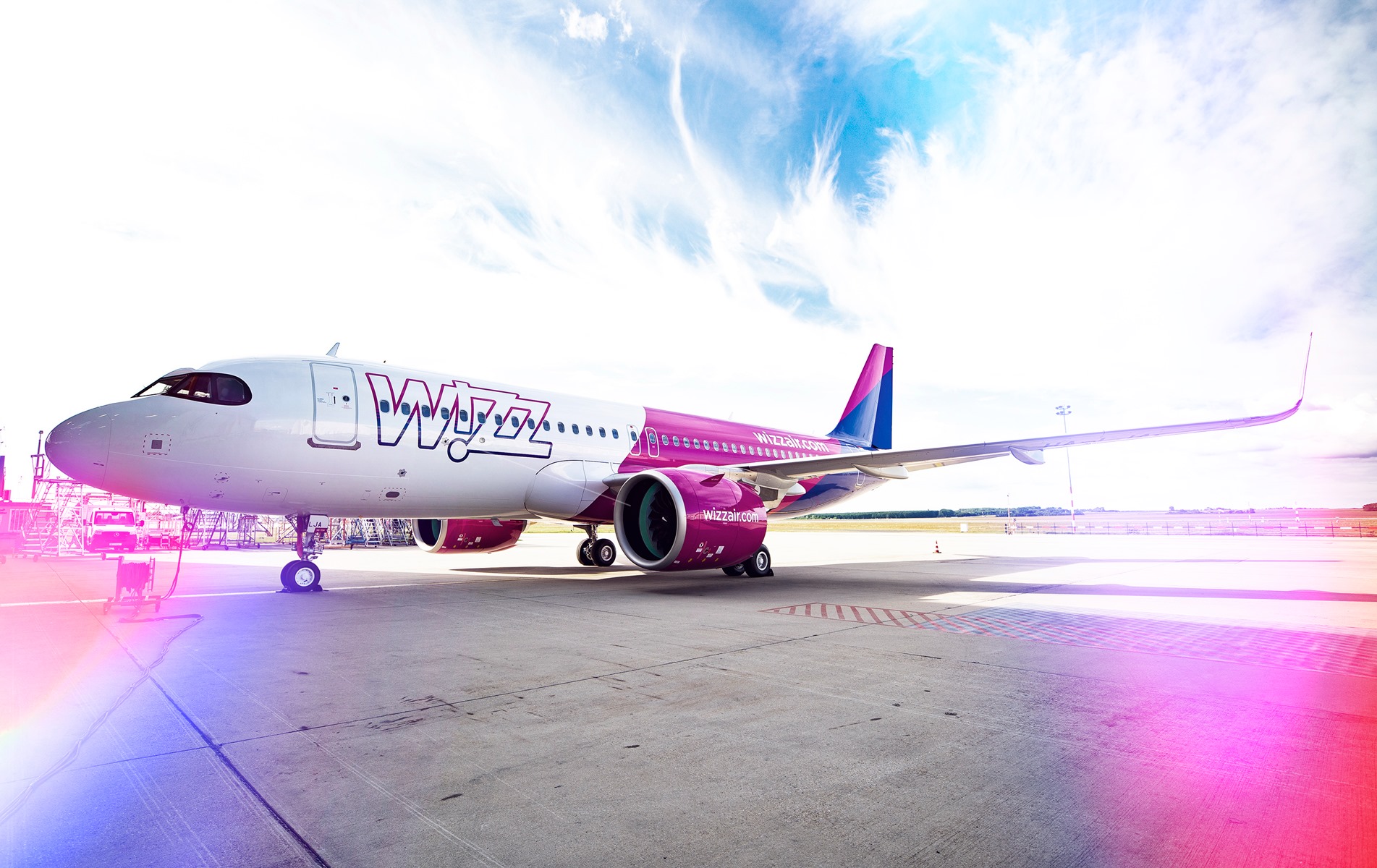
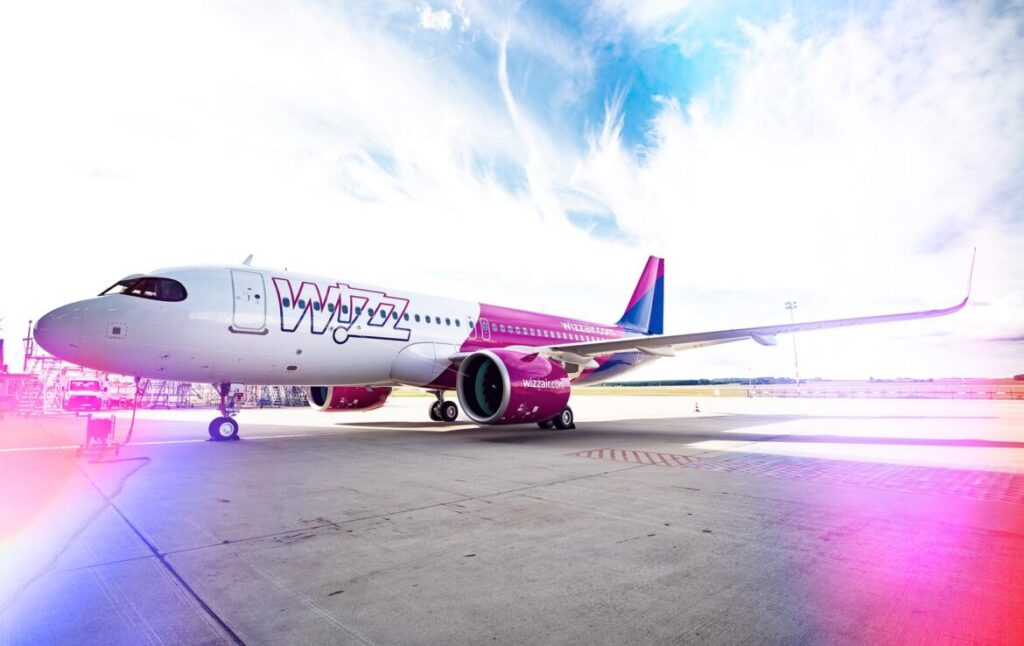
Wizz Air’s Strategic Growth in Europe
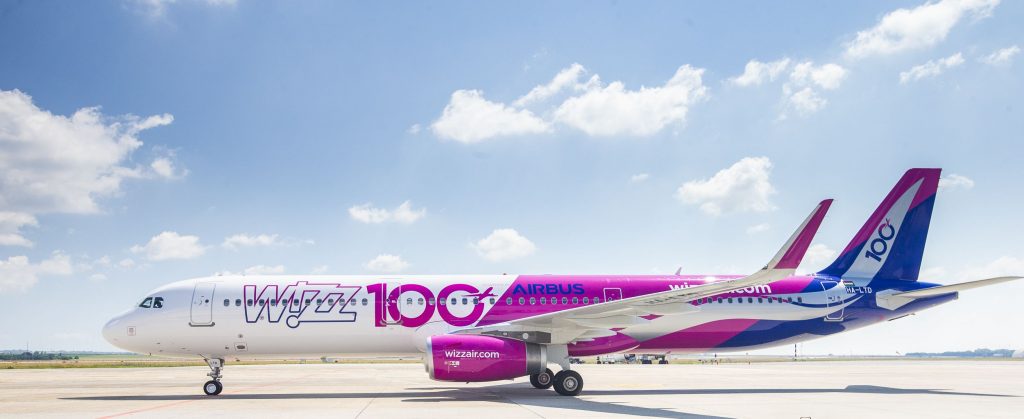
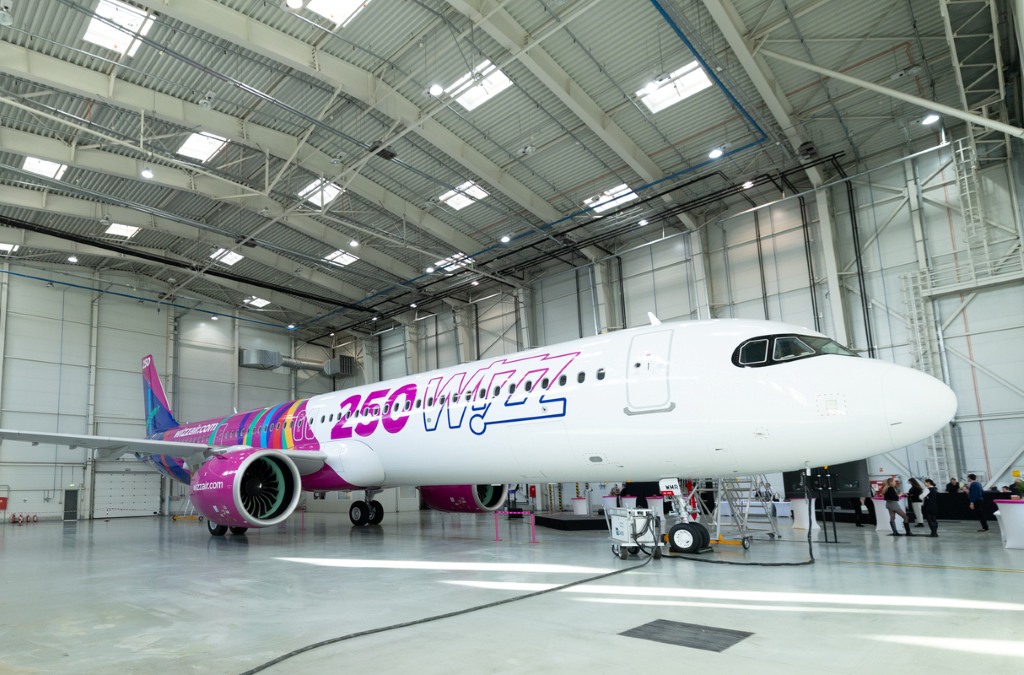
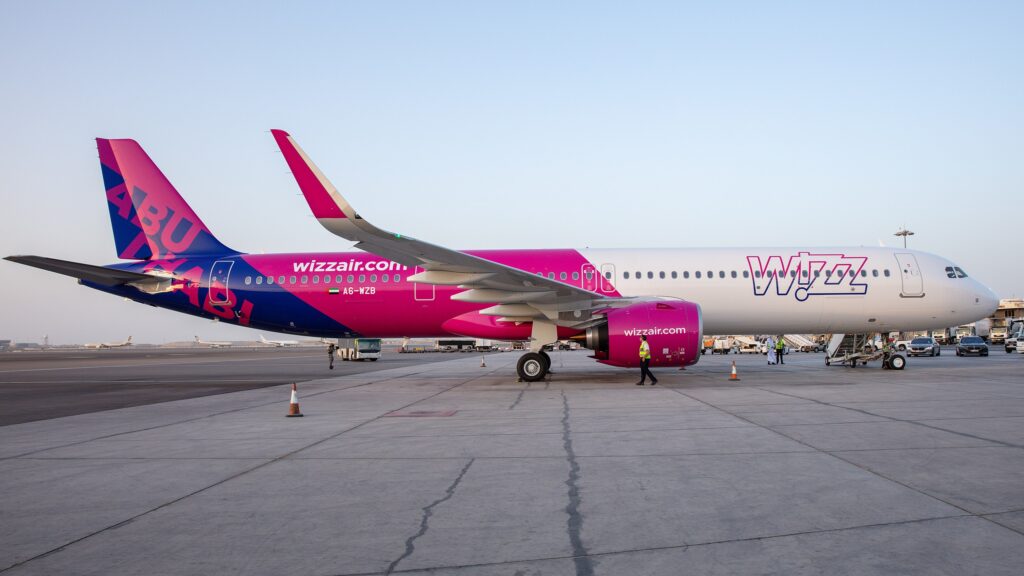
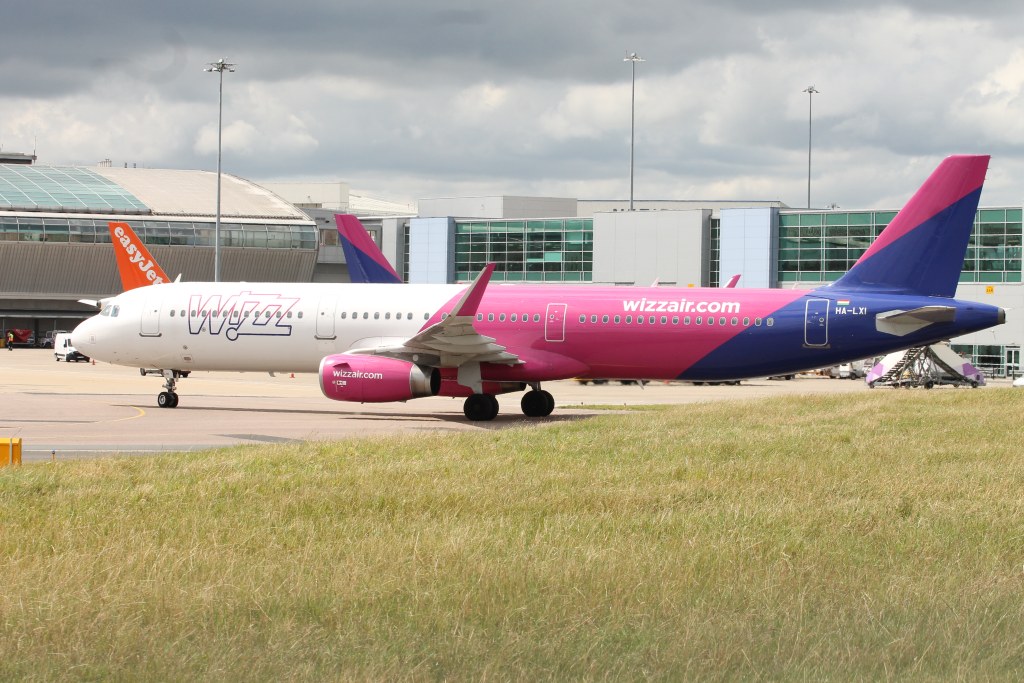
As Wizz Air continues to solidify its presence across Europe, the airline is preparing for significant operational milestones in 2026. Known for its vibrant purple-and-pink Airbus fleet, Wizz Air has rapidly expanded its network to become one of the largest low-cost carriers on the continent, with a focus on underserved markets in Central and Eastern Europe.
Historical Context and Fleet Composition
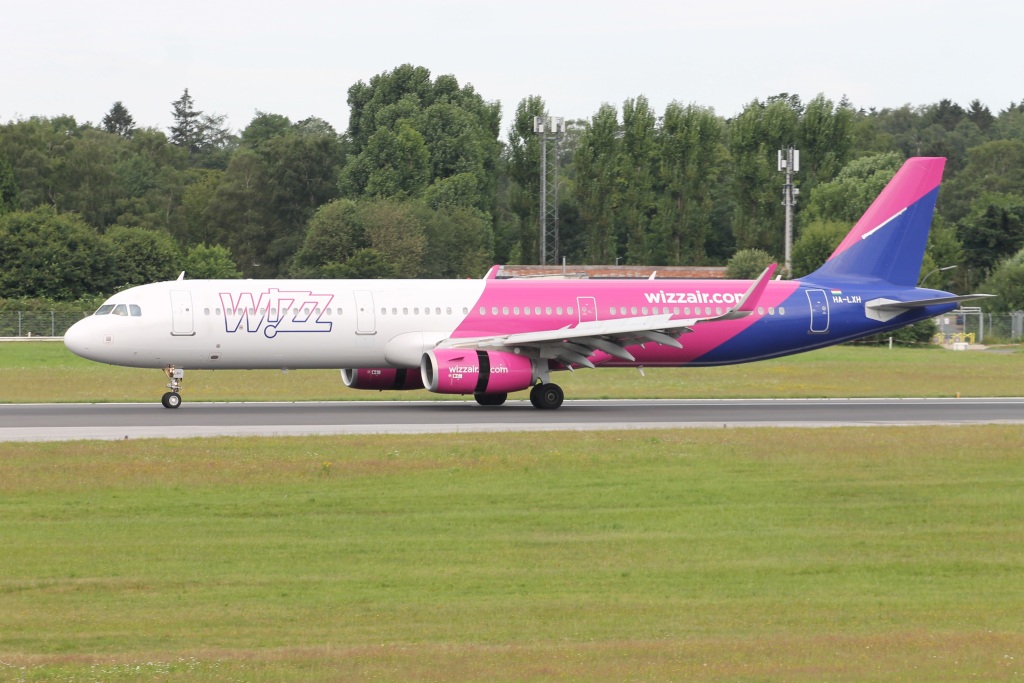
Founded in 2003, Wizz Air commenced operations in 2004, capitalizing on the opportunities presented by the European Union’s expansion. The airline’s strategy has centered on establishing a strong foothold in markets where low-cost travel was still emerging, enabling it to grow its passenger base significantly. Today, Wizz Air operates a fleet primarily composed of Airbus A320-family aircraft, with the Airbus A321neo serving as the backbone of its operations. This focus on a single aircraft family enhances operational efficiency and maintenance simplicity.
Major Bases and Operational Centers
By 2026, Wizz Air will maintain numerous bases across Europe, with several key airports serving as major operational hubs:
- Budapest Ferenc Liszt International Airport: As the airline’s original home, Budapest remains a crucial hub, facilitating extensive connections across Europe and the Middle East.
- Bucharest Otopeni: This airport has become one of Wizz Air’s largest operational centers, reflecting Romania’s significance in the airline’s network.
- London Luton Airport: Serving as the main base for Wizz Air UK, Luton has emerged as a vital point for flights to Eastern Europe and Mediterranean destinations.
- Warsaw Chopin Airport: A key location for Wizz Air, Warsaw competes with other carriers while continuing to attract significant passenger traffic.
- Milan Malpensa Airport: With its growing operations in Western Europe, Malpensa has become increasingly important for Wizz Air’s expansion strategy.
Operational Relevance and Market Impact
Wizz Air’s growth is not just a testament to its operational strategy but also reflects broader trends in the aviation market. The airline’s concentration on high-density routes with a focus on cost efficiency positions it favorably against competitors. With over 250 Airbus aircraft and nearly 2,000 routes, Wizz Air is poised to meet the increasing demand for budget travel, particularly as Europe emerges from the challenges of recent years.
Future Outlook and Next Steps
Looking ahead, Wizz Air’s operational strategy will continue to evolve, focusing on expanding its fleet and enhancing its service offerings. The airline’s commitment to maintaining an all-Airbus fleet allows for streamlined operations while ensuring passenger comfort through modern aircraft configurations.
As Wizz Air prepares for 2026, aviation enthusiasts and industry stakeholders alike can anticipate witnessing the airline’s continued growth and the increasing visibility of its distinctive fleet across Europe’s skies.

This article was prepared by LibelulaFly as an independent aviation-news summary and editorial reinterpretation based on publicly available reporting. Images, when used, are included for editorial context with source attribution. Original source: www.airportspotting.com. Read the original article here: https://www.airportspotting.com/wizz-airs-biggest-bases-where-to-catch-the-purple-aircraft-in-2026/.
List, promote, or publish aircraft with LibelulaFly.
LibelulaFly.com • Sales@libelulafly.com • +1 305-332-1942