
Jul
Air Canada Enhances Route Network with A321XLR
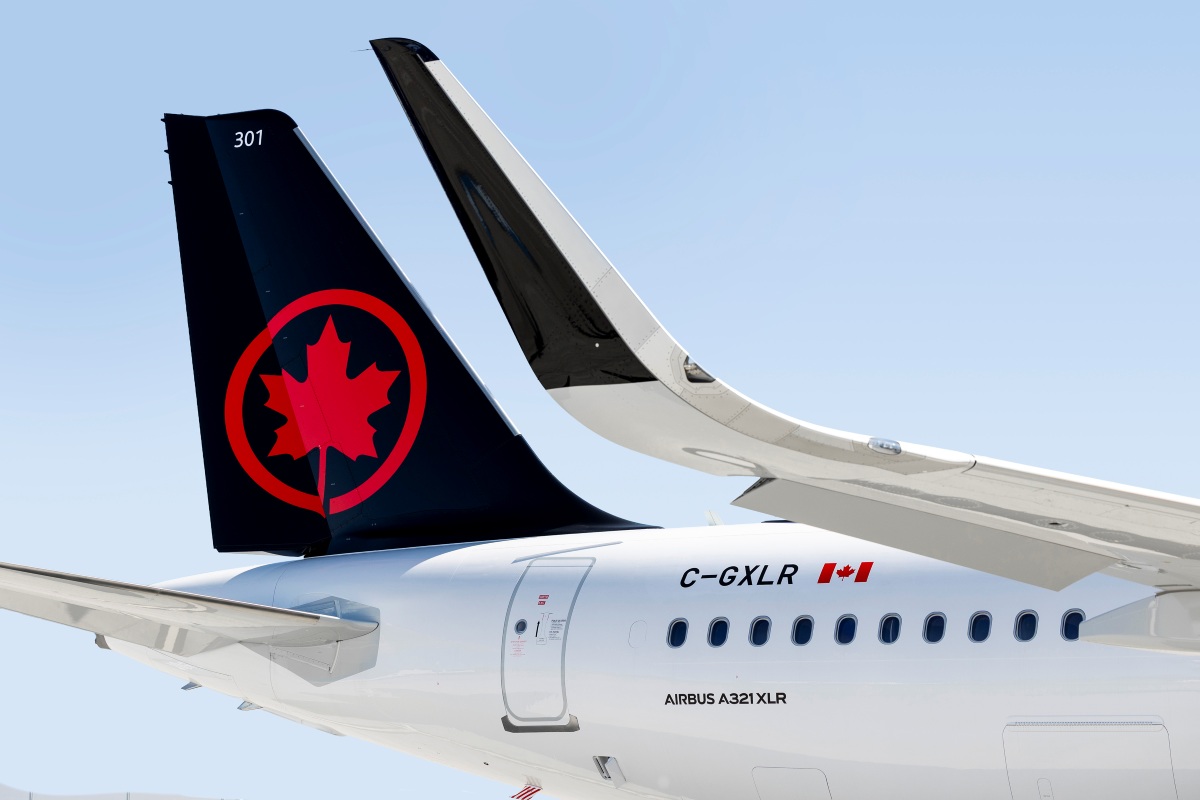
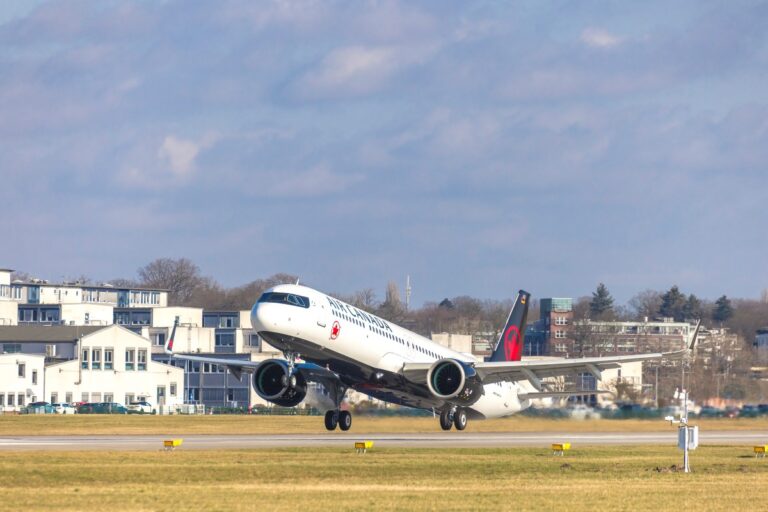
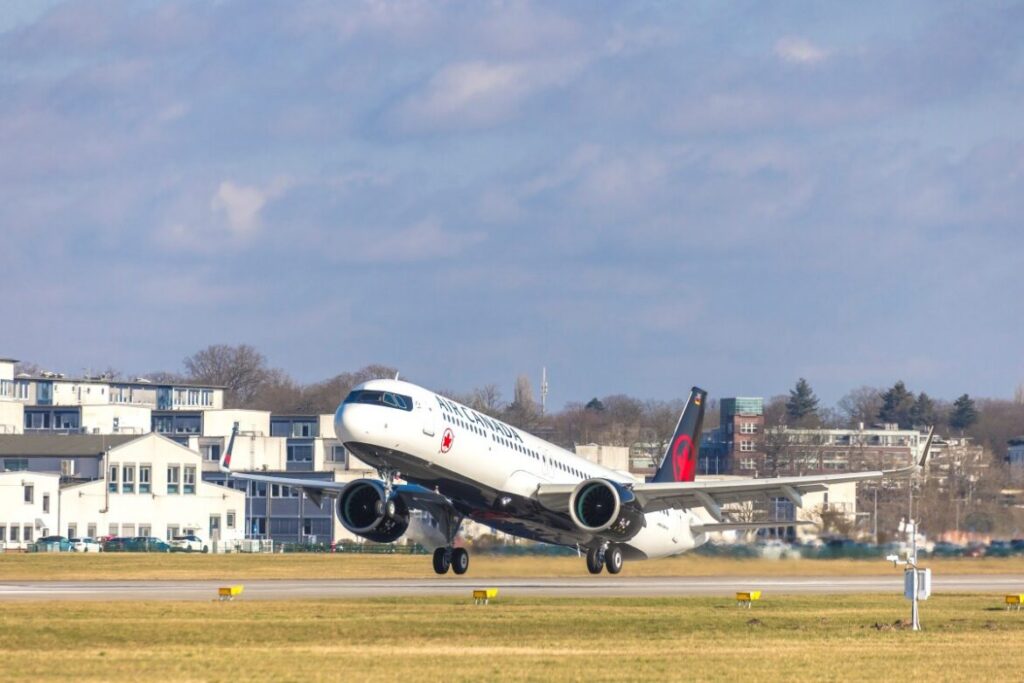
Air Canada has unveiled its strategic deployment plans for the Airbus A321XLR aircraft during the winter schedule of 2026/27. The airline aims to capitalize on the aircraft’s long-range capabilities by integrating it into a more extensive array of both domestic and international routes, marking a significant evolution in its operational strategy.
Broadening Horizons: Domestic and Transatlantic Services
Initially, the A321XLR was primarily associated with Air Canada’s new European routes. However, as part of the upcoming winter schedule, the aircraft will become an integral part of the airline’s North American services. Key routes set to feature the A321XLR include:
- Montreal – San Francisco: Transitioning to a daily service starting January 15, 2027.
- Toronto Pearson – Los Angeles: Introducing A321XLR operations from December 15, 2026.
- Toronto Pearson – Calgary: Daily A321XLR flights commencing December 16, 2026.
- Montreal – Toronto Pearson: Offering two to three weekly flights from October 25 to January 7.
- Montreal – Miami: Adding a weekly A321XLR service during the peak Christmas travel period.
- Montreal – Ottawa: Weekly flights scheduled for the festive season.
In addition to these domestic routes, Air Canada is also expanding the A321XLR’s reach into the Caribbean, introducing a new service from Montreal to Bridgetown, Barbados, with five weekly flights planned for December.
Refining Transatlantic Operations
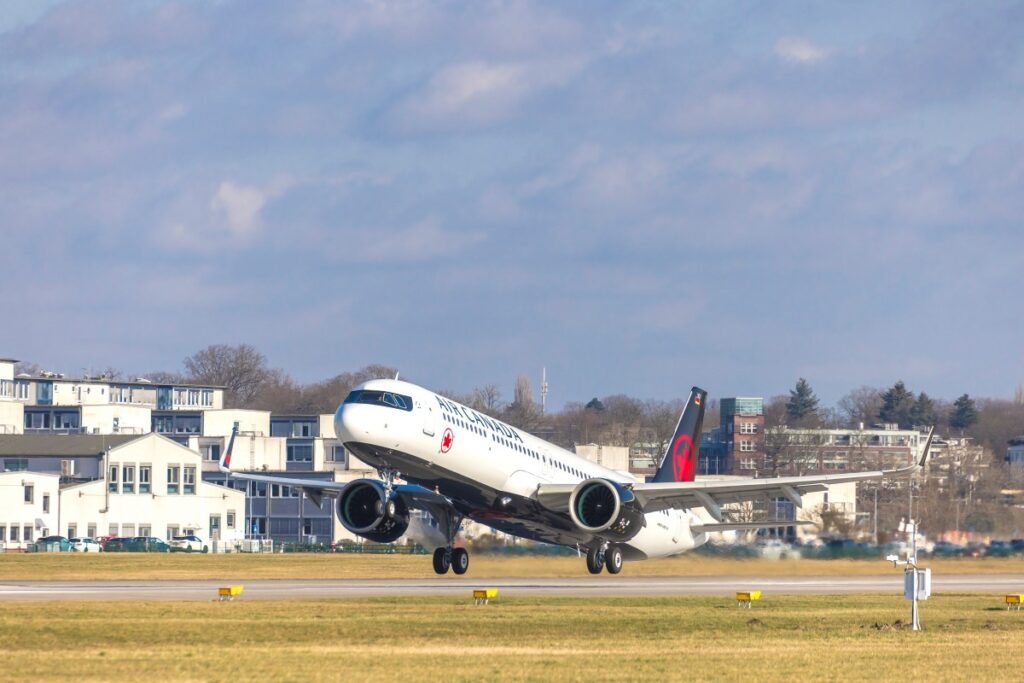
As the airline continues to receive additional A321XLR aircraft, it is also optimizing its transatlantic operations. A notable adjustment includes the replacement of the Boeing 737 MAX 8 with the A321XLR on the Halifax to London Heathrow route, set to begin on December 17, 2026, with four flights per week. Although the A321XLR was initially slated to commence earlier, the revised schedule reflects a careful assessment of demand and operational efficiency.
Furthermore, the Montreal to Lisbon route will now feature a mixed operation, with three weekly A321XLR flights supplemented by one Airbus A330-300 service, adjusting from the previously planned five A321XLR flights.
Strategic Adaptations in a Dynamic Market
These recent changes exemplify Air Canada’s proactive approach to fleet management and route optimization. By diversifying the A321XLR’s deployment across a wider range of routes, the airline not only enhances passenger choice but also aligns its services with evolving market demands. The adjustments highlight the airline’s commitment to leveraging the capabilities of its fleet while responding to passenger preferences and operational realities.
Looking Ahead: Future Prospects for Air Canada
The ongoing integration of the Airbus A321XLR into Air Canada’s operations signifies a pivotal moment for the airline as it seeks to strengthen its market position. As the fleet expands and operational data becomes clearer, further adjustments may be anticipated. This strategic deployment not only underscores Air Canada’s adaptability but also positions it favorably for future growth in both domestic and international markets.



This article was prepared by LibelulaFly as an independent aviation-news summary and editorial reinterpretation based on publicly available reporting. Images, when used, are included for editorial context with source attribution. Original source: www.airportspotting.com. Read the original article here: https://www.airportspotting.com/air-canada-expands-airbus-a321xlr-network-for-winter-2026-27/.
List, promote, or publish aircraft with LibelulaFly.
LibelulaFly.com • Sales@libelulafly.com • +1 305-332-1942

Jun
United Airlines Receives Its First Airbus A321XLR
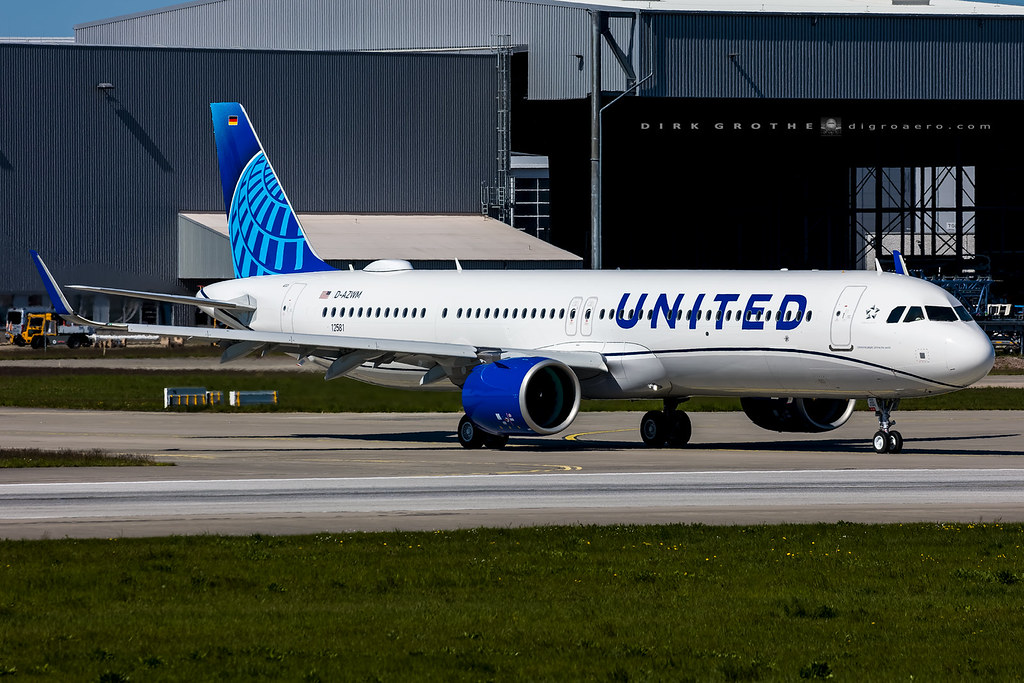
In a pivotal advancement for its fleet and route strategy, United Airlines has officially accepted delivery of its inaugural Airbus A321XLR. The aircraft was handed over at Airbus’ facility in Hamburg, Germany, before embarking on its journey to the United States. This delivery marks the beginning of a significant chapter in United’s long-term growth strategy, with a total of 50 A321XLRs ordered.
Transforming Operational Capabilities
The Airbus A321XLR, the latest variant in the A320neo family, is designed to operate long-haul routes with a range of up to 4,700 nautical miles. This capability allows airlines to serve destinations that typically demand larger widebody aircraft, thereby expanding operational flexibility. United’s adoption of the A321XLR will enable it to explore “long thin” routes—those that do not generate sufficient demand for larger aircraft but can be served profitably by a narrowbody jet.
Replacing an Iconic Fleet
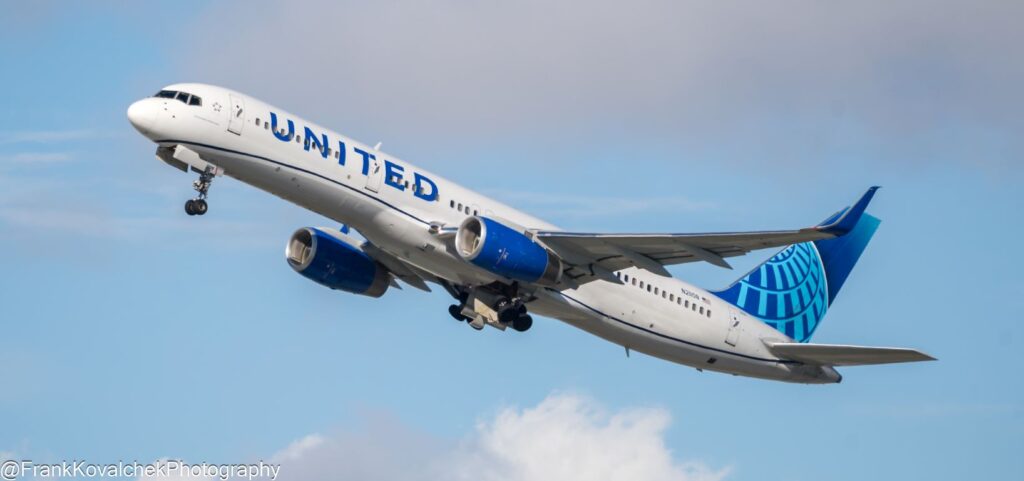
One of the most significant aspects of United’s A321XLR program is its role in replacing the aging Boeing 757 fleet. United has long been one of the largest operators of the 757, utilizing both the -200 and -300 variants for a variety of domestic and international routes. However, many of these aircraft are now over 25 years old, leading to increased operational costs. The A321XLR is poised to fill the gap left by the 757, offering modern engines, enhanced fuel efficiency, and lower operating costs, making it a suitable successor for transatlantic and other long-range services.

A Cabin Designed for Comfort
United Airlines has configured its A321XLR for long-haul operations, featuring a premium-heavy cabin layout. The aircraft accommodates 150 passengers, including 20 United Polaris business class suites, 12 Premium Plus premium economy seats, and 118 economy seats. The Polaris suites offer fully lie-flat beds with privacy doors, large entertainment screens, and upgraded amenities, while economy passengers will benefit from modern interiors and a self-service snack bar at the rear of the aircraft. This configuration reflects United’s strategy to deploy the A321XLR primarily on international routes where passenger comfort is paramount.
Future Route Possibilities
While United has yet to announce a comprehensive route map for the A321XLR, indications suggest that the aircraft will primarily serve transatlantic routes and smaller European destinations that are unable to accommodate larger aircraft. The impressive range of the A321XLR opens up various opportunities from United’s hubs, especially in Newark and Washington Dulles, with potential routes to secondary European markets, North Africa, and parts of South America.
A Strategic Addition to the Fleet
With the delivery of the first A321XLR, United Airlines takes a significant step forward in its fleet renewal program, which also includes the acquisition of Airbus A321neos and Boeing 737 MAX aircraft. As deliveries ramp up in the coming years, the A321XLR is expected to become a prominent feature in United’s operations, gradually replacing older aircraft and facilitating new route opportunities. This strategic addition not only enhances United’s operational capabilities but also aligns with the airline’s commitment to modernizing its fleet and improving the travel experience for its passengers.




This article was prepared by LibelulaFly as an independent aviation-news summary and editorial reinterpretation based on publicly available reporting. Images, when used, are included for editorial context with source attribution. Original source: www.airportspotting.com. Read the original article here: https://www.airportspotting.com/united-airlines-takes-delivery-of-its-first-airbus-a321xlr/.
List, promote, or publish aircraft with LibelulaFly.
LibelulaFly.com • Sales@libelulafly.com • +1 305-332-1942
May
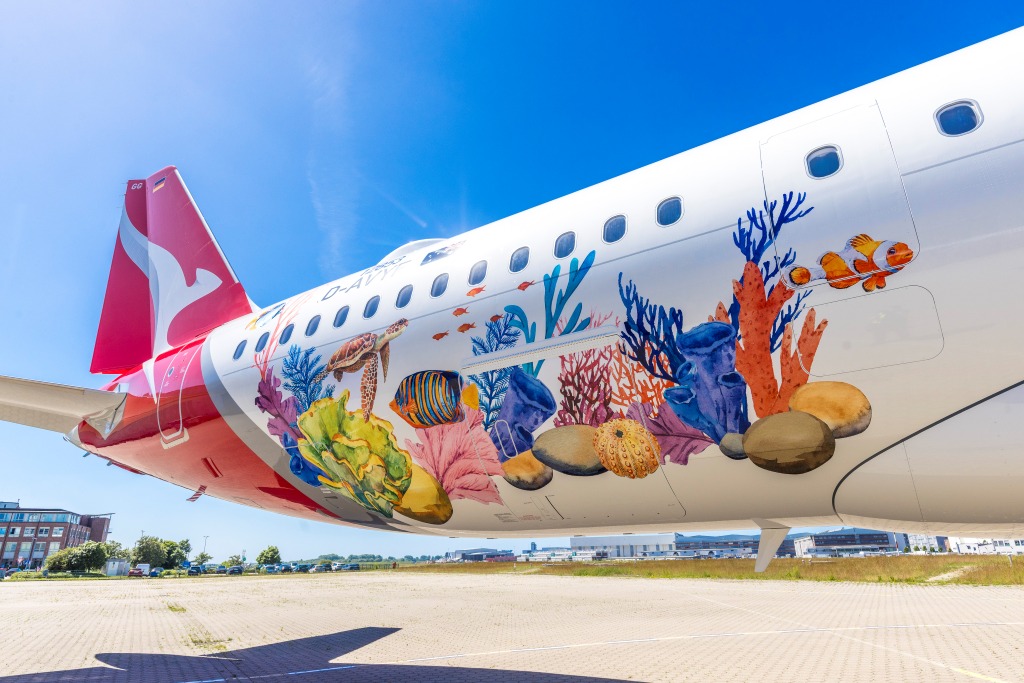
Qantas Introduces Eye-Catching Great Barrier Reef Livery
In a notable announcement, Qantas has unveiled a striking new livery for its forthcoming Airbus A321XLR, designated VH-OGG and named Coral Sea. This eye-catching design, inspired by the Great Barrier Reef, was revealed following the aircraft’s completion at Airbus’ Hamburg facility, with delivery expected imminently. As Qantas continues to expand its Airbus A321XLR fleet, this new addition signifies both operational growth and a commitment to environmental stewardship.
A Celebration of Australia’s Natural Heritage
The vibrant livery showcases the rich marine biodiversity of the Great Barrier Reef, featuring detailed imagery of coral formations, sea turtles, and tropical fish. This artistic representation not only celebrates Australia’s natural beauty but also underscores Qantas’ long-standing partnership with the Great Barrier Reef Foundation, which has been active since 2009. The airline has made significant contributions, exceeding AU$10 million, to the Reef Restoration Fund, which supports various conservation initiatives aimed at preserving this UNESCO World Heritage site.
Enhancing Fleet Capabilities with the A321XLR
Once introduced into service, VH-OGG will be the seventh Airbus A321XLR in Qantas’ growing fleet, which is part of a broader strategy to modernize its domestic operations. With a total of 48 A321XLR aircraft on order, Qantas is transitioning from older Boeing 737-800 models to this more advanced narrowbody, which offers enhanced range and fuel efficiency. The A321XLR can operate routes exceeding 3,000 kilometers more than its predecessors, thereby facilitating new domestic and international service opportunities.
Revamping Passenger Experience
The Airbus A321XLR is configured to provide an improved travel experience, featuring 20 Business Class seats and 180 Economy seats. This modern layout enhances passenger comfort and aligns with Qantas’ commitment to delivering high-quality service across its network. The introduction of this aircraft type marks a significant milestone for Qantas, as it became the first airline in the Asia-Pacific region to operate the A321XLR, with the first aircraft entering service in 2025.
Potential for Future Special Liveries
Qantas has a storied tradition of applying special liveries to its aircraft, often celebrating Australian culture and partnerships. Previous designs have included themes inspired by Indigenous art, Olympic events, and tourism campaigns. The unveiling of the Coral Sea livery indicates Qantas’ intention to continue this practice, utilizing its fleet as a dynamic canvas to promote Australian identity. Following its delivery, VH-OGG is expected to primarily operate domestic routes, with potential appearances on expanding regional international services.
A New Icon in the Skies
As aviation enthusiasts eagerly anticipate the delivery of VH-OGG, the Coral Sea is poised to become a standout aircraft in Qantas’ fleet. Its distinctive livery not only enhances the airline’s visual presence but also serves as a reminder of the importance of environmental conservation in the aviation industry. With the A321XLR representing a significant advancement in operational capability, Qantas is well-positioned to meet the evolving demands of air travel while promoting Australia’s natural wonders.