

Jun
Legacy of the Lockheed TriStar in Aviation
The Lockheed L-1011 TriStar, a prominent figure in the history of commercial aviation, has seen its final days as the C-FTNA airframe has been scrapped after a 25-year presence at Lyon-Saint Exupéry Airport. This development not only signifies the end of a chapter for this iconic aircraft but also highlights the challenges faced by vintage airliners in maintaining operational viability.
From Flight to Fixture: C-FTNA’s Journey
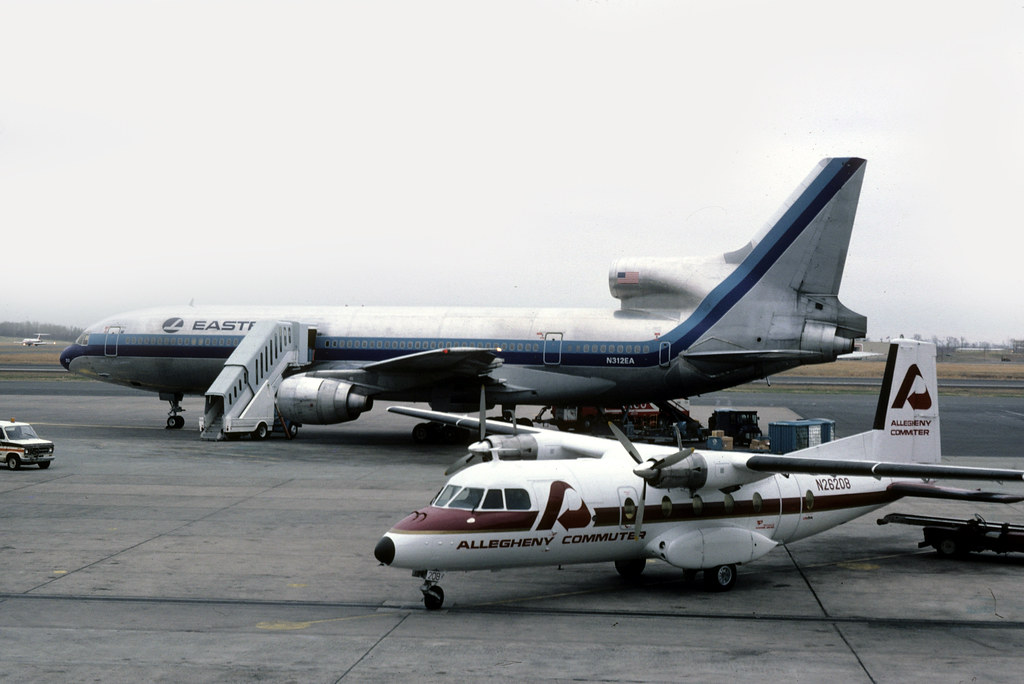
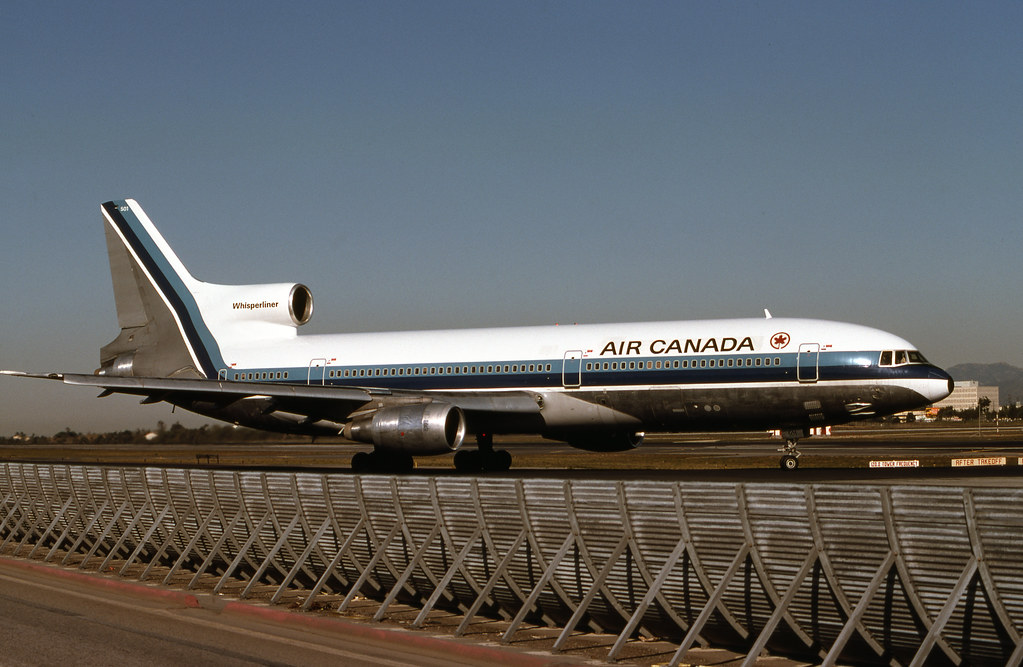
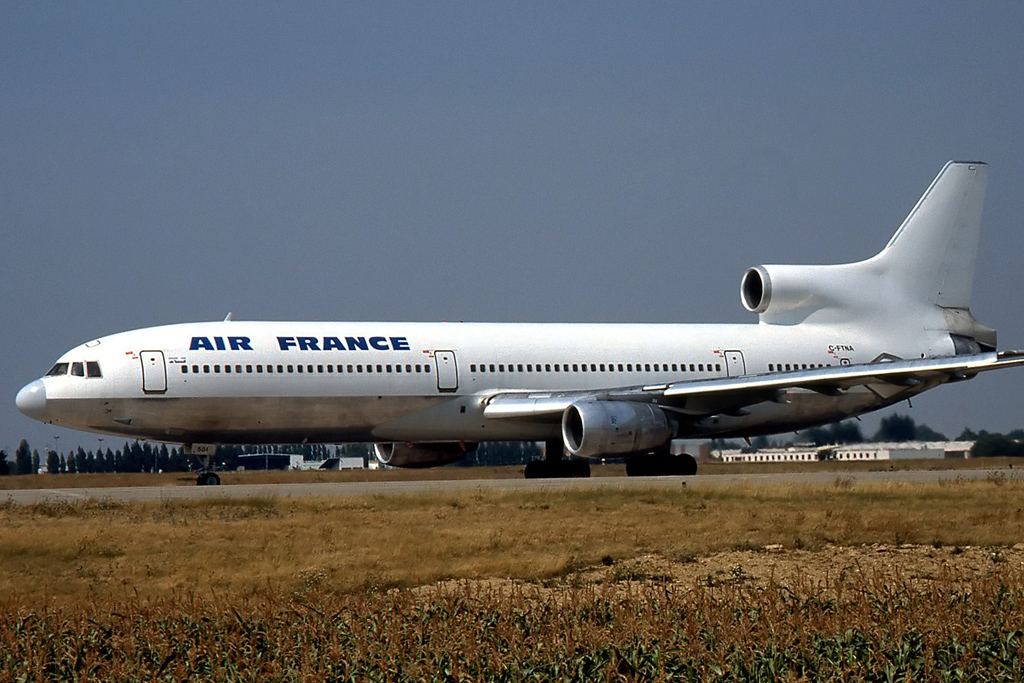
C-FTNA, originally delivered to Eastern Air Lines in 1972, had a varied career before becoming synonymous with Air Transat. After a series of leases, including a notable period with Air Canada, it transitioned to a charter role with Air Transat, where it served long-haul routes to destinations in the Caribbean and Europe. However, its operational history took a dramatic turn on July 6, 2001, when the aircraft encountered severe thunderstorms shortly after takeoff from Lyon, resulting in significant damage. Thankfully, the skilled crew managed to return safely without injury to any passengers or crew members.
Decline and Transformation
Following the incident, extensive assessments determined that the damage was beyond economical repair, and Air Transat made the decision to permanently ground the aircraft. Subsequently, C-FTNA was towed to a remote area of the airport where it remained visible to travelers and aviation enthusiasts alike. Over time, the aircraft was repurposed as a unique venue for conferences and events and served as a training aid for airport firefighters. However, as years passed, the airframe’s condition deteriorated, leading to an inevitable conclusion.
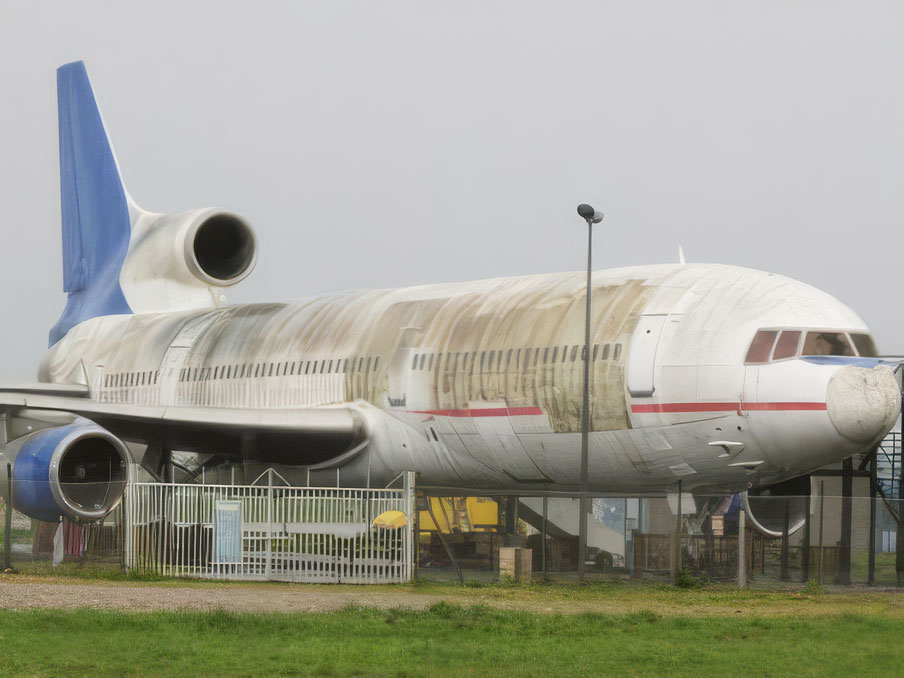
Final Farewell: The Scrapping of C-FTNA
Recent images circulating on social media have confirmed the dismantling of C-FTNA, marking the definitive end of its storied legacy. The aircraft’s scrapping underscores the broader trend affecting classic aircraft, where the costs and efforts required for preservation often outweigh the benefits, particularly as fewer examples of the TriStar remain in existence.
A Reflection on the TriStar’s Place in History
The Lockheed TriStar was once celebrated for its innovative design and engineering prowess, featuring advanced aerodynamics and a unique T-tail configuration. Despite its historical significance and the nostalgia it evokes among aviation enthusiasts, the realities of modern aviation and operational economics have led to the gradual retirement of such aircraft. With only a handful of TriStars still operational worldwide, the scrapping of C-FTNA serves as a poignant reminder of the passage of time in the aviation industry.
Looking Ahead in Aviation
As we bid farewell to C-FTNA, the legacy of the Lockheed TriStar remains a cherished chapter in aviation history. The aircraft’s story reflects the evolution of air travel and the need for continuous innovation in the aerospace sector. For current and future operators, the focus will undoubtedly shift towards more efficient, sustainable aircraft that can meet the demands of modern travel while honoring the rich history of aviation.



This article was prepared by LibelulaFly as an independent aviation-news summary and editorial reinterpretation based on publicly available reporting. Images, when used, are included for editorial context with source attribution. Original source: www.airportspotting.com. Read the original article here: https://www.airportspotting.com/lyons-resident-lockheed-tristar-scrapped-after-25-years/.
List, promote, or publish aircraft with LibelulaFly.
LibelulaFly.com • Sales@libelulafly.com • +1 305-332-1942